

Vitamin C Cream vs Serum: Which Should You Use?
Shop the brands in this guide: Medicube Australia · VT Cosmetics Australia · All brands A to Z
Vitamin C serums are usually more concentrated and lightweight, so they're the better choice if brightening and fading dark spots is your main goal. Vitamin C creams combine brightening ingredients with moisture, so they suit you if you want a simpler routine or have drier skin. Many people use both: a vitamin C serum in the morning under sunscreen, and a cream as their moisturiser.
Here's how to decide which format fits your skin and routine, with examples from the Korean brands we stock.
Vitamin C serum vs cream: the key differences
- Texture: Serums and ampoules are thin and absorb quickly. Creams are richer and sit on top as a final moisturising layer.
- Concentration: Serums are generally designed to deliver a higher dose of active ingredients in a small amount of product. Creams balance actives with hydrating and emollient ingredients.
- Where they go in your routine: Serum after toner; cream at the end, before sunscreen in the morning.
- Who they suit: Serums suit anyone targeting dark spots or dullness. Creams suit dry or normal skin, or anyone who wants fewer steps.
When to choose a vitamin C serum
Choose a serum if your main concern is uneven tone, post-blemish marks or dullness, and you're happy to add a step. Serums are also the better pick for oily and combination skin, since you can follow with a light gel moisturiser instead of a cream.
Goodal Green Tangerine Vita C Dark Spot Care Serum
A Korean vitamin C serum made with green tangerine extract (a natural source of vitamin C), niacinamide to help brighten and even tone, and centella asiatica to soothe. Goodal formulated it to fade the look of dark spots, brighten skin and provide antioxidant protection, and it's suitable for all skin types.

Medicube Deep Vita C Ampoule Set
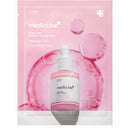
Three 10g bottles of a concentrated ampoule with 13.5% water-based vitamin C. Medicube designed it to brighten dull skin, help improve the look of dark spots and refine texture, with a moisturising texture that absorbs quickly. It's clinically tested and suitable for sensitive skin. Having three smaller bottles means you can open one at a time.

When to choose a vitamin C cream
Choose a cream if you want brightening and hydration in one step, or if your skin is on the drier side. It's also a good way to add vitamin C to a minimal routine, for example cleanser, cream and sunscreen.
Medicube Deep Vita C Capsule Cream
This brightening cream contains vitamin C capsules in a gel base. You press the capsules to release the vitamin C and mix it into the gel as you apply. According to Medicube, the formula contains 50% sea buckthorn extract, 5% niacinamide and pure vitamin C, plus five vitamin C derivatives, with the capsules designed to keep the vitamin C fresh. It's aimed at uneven skin tone and spots.

How to use it: after cleansing and toning, press the capsules to release the vitamin C, mix with the gel, apply evenly and massage in until absorbed.
VT Cosmetics Reedle Shot Vita-Light Cream
The VT Reedle Shot Vita-Light Cream is a gel-cream hybrid with vitamin C, vitamin E and vitamin B3, designed to brighten a dull complexion, target uneven tone and dark spots, and hydrate. VT notes it shouldn't be used together with its other Reedle Shot products (100/300/700), so choose one or the other.
Can you use a vitamin C serum and cream together?
Yes, and it's a common way to build a brightening routine. A simple morning order is:
- Cleanser
- Toner
- Vitamin C serum
- Vitamin C cream (or your usual moisturiser)
- Sunscreen
If your skin is sensitive, start with one vitamin C product and add the second after a few weeks. And if you also use niacinamide, our guide to using niacinamide and vitamin C together explains how to layer them.
How to get the most from vitamin C
- Be consistent. Using a vitamin C product most days matters more than the strength of any single bottle.
- Store it well. Vitamin C can break down with heat, air and light, so keep lids closed and store your products away from direct sun, not on a sunny bathroom windowsill or in a hot car.
- Start gently if you're sensitive. Begin with every other day and build up, and patch test first.
- Keep the rest of your routine simple. A gentle cleanser and a good moisturiser help vitamin C do its job without irritation.
Don't skip sunscreen
Whichever format you choose, daily sunscreen does the heavy lifting for dark spots. UV exposure can make pigmentation darker again, so vitamin C works best as a partner to SPF, not a replacement. With spring and summer UV ramping up across Australia, now is a good time to make both a habit.
Compare more options in our round-up of the best vitamin C serums in Australia, or browse our Korean vitamin C serums collection.
FAQ
Is a vitamin C cream as effective as a serum?
Serums are generally more concentrated, so they're the better choice if dark spots are your main concern. A cream is a convenient way to add vitamin C and moisture in one step.
Should I use vitamin C in the morning or at night?
Many people prefer the morning, under sunscreen, because vitamin C offers antioxidant support during the day. You can also use it at night if that suits your routine better.
Can oily skin use a vitamin C cream?
Yes, especially gel-cream textures. If you're very oily, a serum followed by a light gel moisturiser may feel better in summer.
How long until I see results from vitamin C?
Skin can look brighter within a few weeks, while dark spots usually need a couple of months of consistent use alongside daily sunscreen.