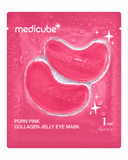


Korean Skincare for Shift Workers: A Simple Routine
Korean skincare for shift workers in 2026 means building a routine around irregular sleep, fluorescent light, and daytime sun exposure instead of a fixed morning-and-night schedule. Rotating rosters, split sleep blocks and permanent nights change what skin actually needs: less about a long routine, more about barrier repair, eye care, and sun protection that doesn't depend on the sun being up when you leave the house.
- Korean skincare for shift workers in 2026 works best when it's built around barrier repair and caffeine eye care, not a 10-step routine.
- Sunscreen matters on night shifts too — UVA passes through glass during daytime sleep.
- Medicube Zero Pore Pad and Beauty of Joseon Relief Sun cover the two most common shift-work skin problems: clogged pores and daytime UV exposure.
- Time actives to your sleep block, not the clock, or you're applying serum onto tired, dehydrated skin for nothing.
Why Korean skincare matters for shift workers
Shift work disrupts the two things skin relies on most: consistent sleep and consistent light exposure. Cortisol runs high when sleep is fragmented, and that shows up as dullness, slower barrier repair and puffier under-eyes — regardless of how good the routine looks on paper.
Most K-beauty routines assume a morning and a night. A nurse coming off a 10pm-6am shift doesn't have a morning — they have a sleep block that starts when the sun is rising, which is exactly the window most people apply zero sun protection. AU Beauty Bazaar stocks the categories that actually solve shift-work skin problems: pore pads for quick resets, PDRN serums for overnight repair, and lightweight sunscreens built for daily reapplication rather than a single beach day.
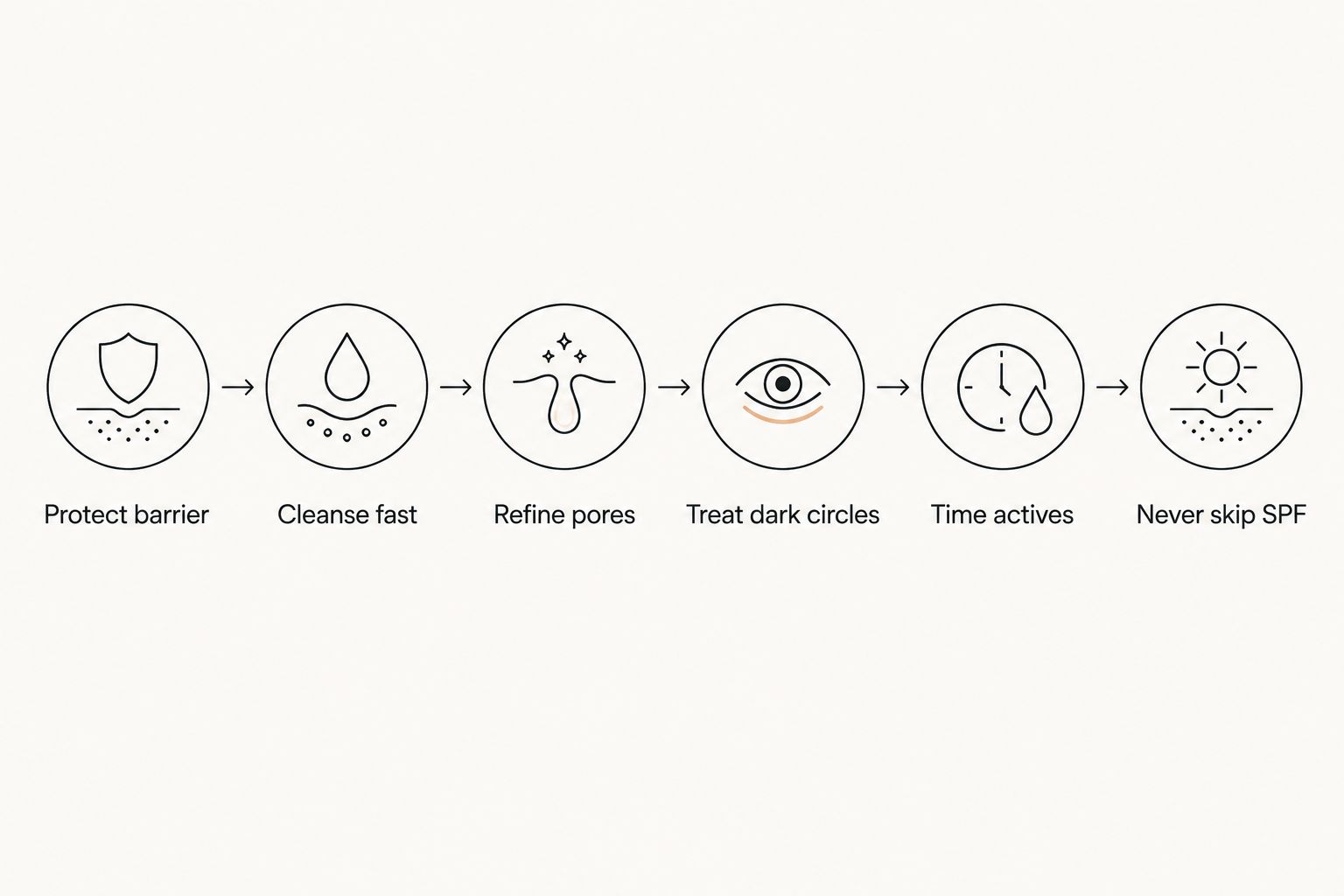
The fix isn't a longer routine. It's the right five or six steps, done in the right order, regardless of what time your body thinks it is.
Protect your barrier before anything else
A compromised barrier is the single most common shift-work skin problem, and it shows up as tightness, redness around the nose and cheeks, and skin that stings when you apply anything active. Fix this before adding brightening or anti-aging steps — an irritated barrier can't absorb them anyway.
- Swap hot showers before bed for lukewarm water — heat strips the barrier faster when you're already sleep-deprived
- Cut back to one active ingredient at a time (retinal, exfoliating acid, vitamin C) instead of stacking three
- Use a fragrance-free moisturiser on nights you feel tight or sensitive, even if it's not your usual step
- Sleep in a room under 22°C when possible — dry, overheated air during daytime sleep dehydrates skin fast
Build a cleanse you can do in under two minutes
A full double cleanse doesn't survive a 15-minute break or a stumble into bed at 7am. Build a version that takes under two minutes and still gets makeup, sweat and hospital-grade hand sanitiser residue off your skin.
- Keep a small bottle of micellar water in your locker or bag for shift-end face wipes
- Use a gel or foam cleanser with a pump dispenser — bar soap and jars slow you down when you're exhausted
- Rinse with lukewarm, not hot, water even when you're desperate to feel awake
- Pat dry instead of rubbing — rubbing irritates skin that's already stressed from poor sleep
Speed up pore and texture care between shifts
Once cleansing is sorted, pore congestion and dull texture are the next visible sign of shift work — long hours under artificial light plus inconsistent cleansing show up as blocked pores within days. The manual fix is a weekly clay mask and consistent exfoliation, but that's hard to keep up on a rotating roster.
A pre-soaked toner pad is the faster path here. Medicube Zero Pore Pad is dual-textured specifically for quick pore cleanup — swipe it on after cleansing and skip the mask step entirely on the nights you don't have 20 minutes to spare.
- Keep pads in the bathroom, not the fridge, so you actually reach for them mid-shift
- Use on the T-zone only if your cheeks run dry — you don't need full-face exfoliation every night
- Pair with a plain, unscented moisturiser straight after — pads alone won't replace hydration
Treat dark circles and puffiness as a separate problem from sleep
Under-eye puffiness on a shift schedule isn't purely a sleep-debt problem — it's fluid retention from sitting or standing for long stretches, plus screen strain if you're on monitors overnight. Cold compresses and caffeine work faster than waiting for a "normal" night's sleep that might not come for days.
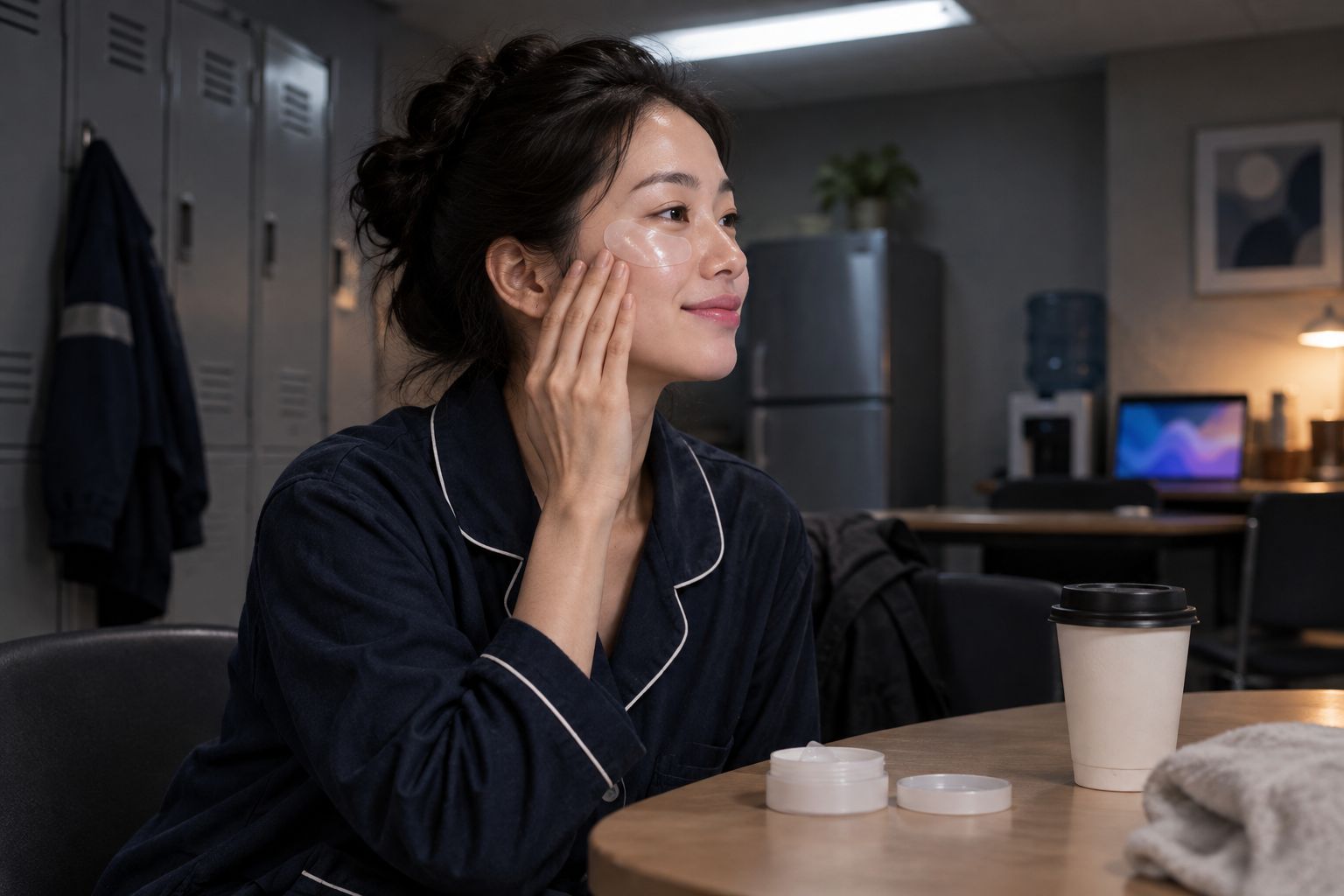
- Store gel eye patches or an eye cream in the fridge at work if you're allowed — cold temperature does most of the de-puffing work
- Use a gua sha tool along the under-eye and jaw for two minutes to move fluid before applying makeup
- Apply eye cream with your ring finger only, using light tapping motions — never dragging or rubbing
- Treat this step every shift, not just the bad ones — puffiness compounds over a rostered week
Time your actives around your sleep block, not the clock
A "night" routine applied at 8am before a day-sleep block is still a night routine — it just happens at a different hour. Retinal, PDRN serums and heavier creams belong right before your longest sleep window, whatever time that is.
- Apply your richest, most active product directly before your main sleep block, not before a short nap
- Skip retinal or exfoliating acids before naps under four hours — they need uninterrupted repair time to do anything
- Use a lighter gel-cream on days with split sleep, and save the heavier PDRN or peptide cream for your longest stretch
- Keep a simple, three-step version (cleanse, serum, moisturiser) for the nights you're too tired for anything else
Never skip sun protection, even on permanent nights
This is the step most shift workers drop entirely, and it's the one with the biggest long-term cost. UVA rays pass through window glass, so a daytime sleep block with sunlight coming through curtains still counts as sun exposure — and the commute home after a night shift often happens in full daylight.
Beauty of Joseon Relief Sun is built for daily reapplication rather than a single application, which suits a schedule where "morning" sun exposure can happen at any hour.
- Apply sunscreen before your commute home, even if it's a five-minute walk to the car
- Use blackout curtains as a backup, not a replacement, for sunscreen during day sleep
- Reapply after a shower if you're heading back out within a couple of hours
- Keep a travel-size tube in your bag for shifts that run long and cut into daylight hours
Simplify for lockers, bags, and break rooms
A nine-product routine doesn't survive a locker, a hospital bag, or a 20-minute lunch break. Shift workers do better with two or three multi-use products they can carry, not a full shelf they only use at home.
- Choose one balm or cream that works on lips, cuticles and dry patches instead of three separate products
- Keep a travel-size cleanser and moisturiser in your bag permanently, not just for travel
- Skip sheet masks for shifts — they need 15-20 undisturbed minutes you won't get
- Replace your bag kit monthly so nothing sits open and contaminated for weeks
Which K-beauty format actually works on a shift schedule
| Option | Best for | Key limitation |
|---|---|---|
| Pre-soaked toner pads | Fast pore cleanup between shifts | Not a full cleanse — still needs a water-based cleanser first |
| PDRN serum or ampoule | Overnight repair on short sleep | Slower visible results than a cream mask |
| Caffeine gel eye patches | Masking puffiness before a shift starts | Cosmetic fix only — doesn't address underlying sleep debt |
| Daily-wear sunscreen | Daytime sleepers who commute in daylight | Needs reapplication every couple of hours outdoors |
| Barrier or cica cream | Repairing stress-related dryness and redness | Richer texture can feel heavy under makeup for a shift |


Common mistakes shift workers make with K-beauty routines
- Skipping sunscreen on night shifts because "the sun's not out when I'm awake" — daylight during a day-sleep block still counts
- Applying actives right after waking up, when they belong before the longest sleep block, not after it
- Buying a 10-step set and abandoning it within two weeks because it doesn't fit a rotating roster
- Ignoring puffiness as "just tired eyes" instead of treating it with cold, caffeine-based products that work in minutes
- Storing products in a hot car or locker, which degrades actives like vitamin C and retinal faster than normal use
FAQ
Do night shift workers still need sunscreen in 2026?
Yes — UVA rays pass through window glass, so a daytime sleep block near a window still counts as sun exposure. Apply sunscreen before the commute home, not just on days off.
What's the best Korean skincare routine for irregular sleep?
A short routine built around barrier repair, caffeine eye care and daily sunscreen works better than a long routine for shift workers. Time the richest products to your longest sleep block, not a fixed clock hour.
How do I fix under-eye puffiness from night shifts?
Cold, caffeine-based eye patches or a chilled eye cream reduce puffiness within minutes by constricting fluid buildup. Gua sha along the jaw and under-eye also helps move fluid before makeup application.
Should shift workers use fewer skincare steps?
Yes — a three-step version (cleanse, serum, moisturiser) that survives a tired 10-minute window beats a nine-step routine abandoned after two weeks. Save the full routine for days off.
Is Medicube Zero Pore Pad good for oily skin from long shifts?
Medicube Zero Pore Pad is dual-textured for shrinking pores and controlling oil, which suits skin that gets congested from long hours under artificial light. It's a quick step between full cleanses, not a replacement for one.
When should shift workers apply retinal or PDRN serum?
Apply retinal or PDRN serum right before your longest sleep block of the day, whatever time that falls at. Skip these on nights with sleep under four hours since they need uninterrupted repair time.
Does K-beauty work for permanent night shift workers?
Korean skincare for shift workers in 2026 adapts by treating the sleep block as the routine anchor instead of the clock. The product order stays the same — barrier, cleanse, actives, sunscreen — only the timing shifts.
One last thing
The detail most shift workers miss: UVA rays pass through ordinary window glass, so a bright bedroom during a daytime sleep block delivers real UV exposure, not just visible light. Apply sunscreen before the commute home in 2026, and treat blackout curtains as a second layer, not the main line of defence. It's a two-minute habit that does more for long-term skin health than any serum on this list.