

Sebaceous Filaments vs Blackheads: What's the Difference?
Shop the brands in this guide: Medicube Australia · Anua Australia · Purito Australia · All brands A to Z
Sebaceous filaments are a normal part of your skin. They're small, hair-like channels that guide oil (sebum) up to the surface, and they show up as tiny grey or beige dots across the nose and chin. Blackheads are clogged pores, where a plug of oil and dead skin has oxidised and turned dark. You can keep both looking less obvious, but sebaceous filaments will always come back, because they're meant to be there.
That's the short answer. Here's how to tell them apart in the mirror, and a simple routine that keeps your nose looking smoother without squeezing.
Sebaceous filaments vs blackheads at a glance
- Colour: Sebaceous filaments are light grey, beige or yellowish. Blackheads are dark brown or black.
- Pattern: Filaments look evenly spread, almost like a grid of tiny dots, mostly over the nose, chin and inner cheeks. Blackheads are more random and stand out individually.
- Feel: Filaments are flat with the skin. Blackheads can feel slightly raised or bumpy.
- When squeezed: A filament releases a thin, pale, waxy strand, and the pore looks the same again within days to weeks. A blackhead is a firmer plug with a dark tip.
Why you shouldn't squeeze sebaceous filaments
It's tempting, especially with pore strips. But because filaments refill naturally, squeezing only gives you a few days' improvement and risks redness, broken capillaries and enlarged-looking pores over time. The better approach is to keep the oil inside them soft and flowing, so they stay small and less noticeable.
A simple routine for visible pores and filaments
1. Oil cleanse at night
Oil dissolves oil. Massaging a cleansing oil over dry skin for a minute helps loosen the sebum, sunscreen and makeup sitting in pores, especially around the nose. This is the single most useful step for filaments, and it's especially important in summer when you're wearing more sunscreen.
The Anua Heartleaf Pore Control Cleansing Oil is a lightweight, non-comedogenic oil designed to dissolve sunscreen, blackheads and excess sebum. It contains 10,000 ppm heartleaf extract with jojoba, macadamia and grape seed oils, and rinses clean without a greasy feel. It's suited to acne-prone and sensitive skin.
If you have drier or more sensitive skin, the Purito Seoul From Green Cleansing Oil is an olive oil-based option. It's made to cleanse clogged pores, remove sunscreen and heavy makeup, and keep skin feeling soft, with a blend of six natural oils.

2. Follow with a gentle foam
A second cleanse removes the oil residue and anything left behind. Look for something that cleans thoroughly without leaving your skin tight.
The Anua Heartleaf Quercetinol Pore Deep Cleansing Foam is designed to remove excess sebum, impurities and dead skin cells. It also includes eight types of hyaluronic acid and Anti-Sebum P to help manage shine. It's made for oily, combination and acne-prone skin.

3. Exfoliate with BHA a few times a week
BHA (salicylic acid) is oil-soluble, so it can work inside the pore lining. Used regularly, it helps keep both blackheads and filaments looking less obvious. Start two or three times a week and build up only if your skin is comfortable.
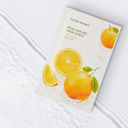
Toner pads are an easy way to do this. The Medicube Zero Pore Pad contains AHA, BHA and willow bark to gently exfoliate and unclog, plus hyaluronic acid and centella asiatica. Swipe the textured side over your nose and T-zone, then pat with the smooth side. Medicube suggests daily use; if you're new to acids, start slower. Not sure which acid suits you? Read AHA vs BHA vs PHA.

4. Don't skip moisturiser and sunscreen
Dehydrated skin can look rougher, which makes pores look bigger. A light moisturiser keeps skin smooth, and daily sunscreen helps protect the skin around your pores, which matters a lot under Australian UV.
Why filaments look worse in summer
Many people notice their nose looks dottier from late spring. Heat and humidity mean more oil and sweat, and we're also wearing more sunscreen, which can mix with sebum in the pores if it isn't removed properly at night. Add some dead-skin build-up and filaments darken and look more noticeable.
A few habits help through the warmer months:
- Double cleanse every night you've worn sunscreen or makeup.
- Choose lighter gel or lotion moisturisers instead of heavy creams.
- Keep phones, sunglasses and hands off your nose and chin, as they transfer oil.
- Change pillowcases regularly.
How long until pores look better?
With nightly oil cleansing and regular BHA, many people notice their nose looks smoother within a few weeks. Filaments won't disappear permanently, but they should look smaller and lighter. If you have lots of painful bumps or breakouts rather than flat dots, that's a different issue, and it's worth seeing your GP or a dermatologist.
Shop our full range of oil cleansers and cleansers for oily skin, or check whether you can use Korean toner pads every day.
FAQ
Can you get rid of sebaceous filaments permanently?
No. They're a normal part of how skin moves oil to the surface. You can make them less visible, but they'll always refill.
Do pore strips help?
They pull out the tops of filaments for a short time, but they refill quickly and the strips can irritate skin. Oil cleansing and BHA are gentler for regular use.
Can oil cleansers clog pores?
A well-formulated cleansing oil that's emulsified with water and rinsed off properly shouldn't. Look for non-comedogenic formulas and follow with a second cleanse.
Are sebaceous filaments a sign of oily skin?
Everyone has them, but they're usually more visible on oily and combination skin because the channels carry more oil.