

Serum and What Makes It So Viral: The Science Behind the Hype
Skincare serums keep popping up on your social media feed for good reason. These concentrated formulas pack powerful ingredients into lightweight products that absorb quickly and target specific skin concerns like ageing, dullness, or uneven texture.
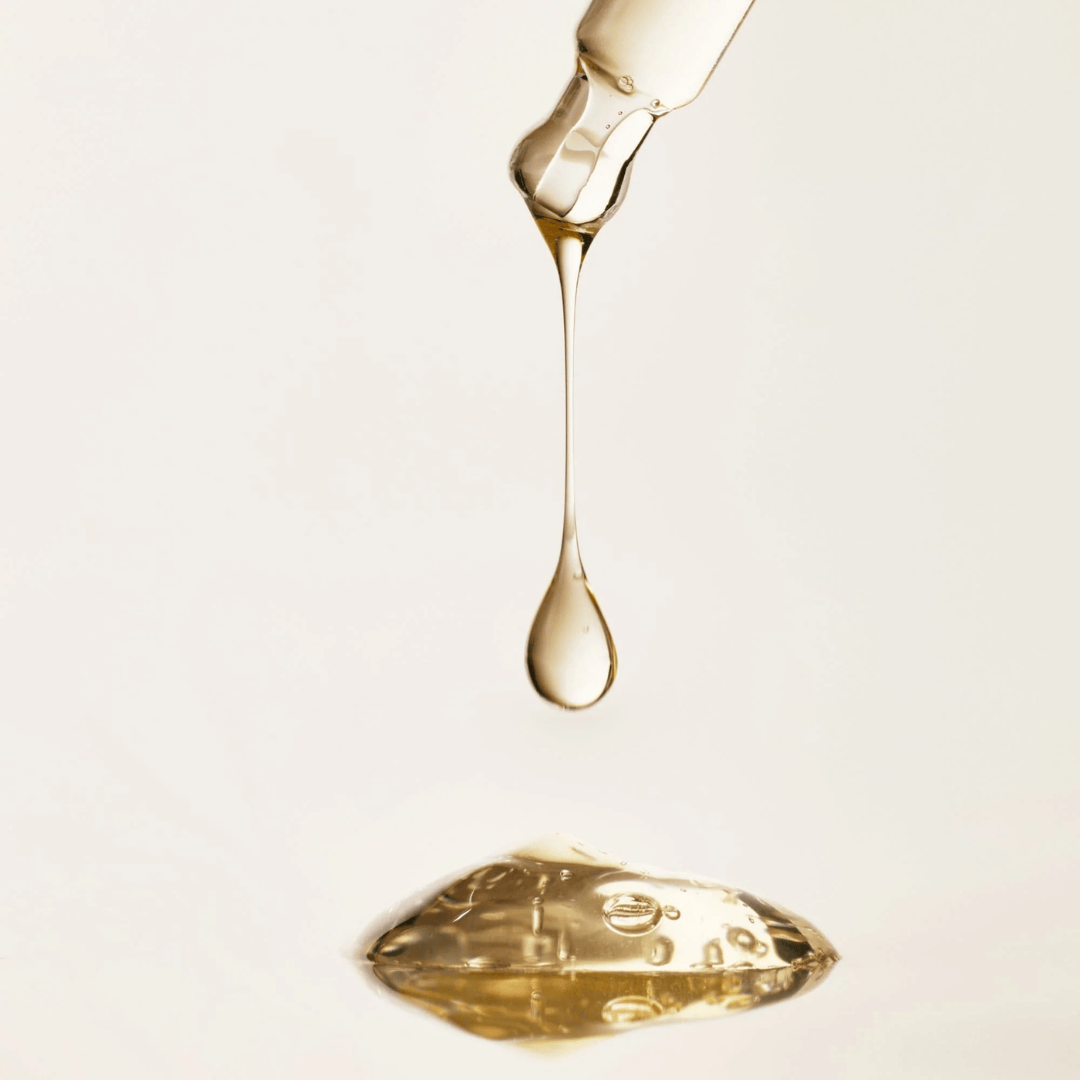
Serums go viral because they deliver visible results faster than traditional moisturisers, often featuring unique ingredients like snail mucin, spermidine, or high-dose acids that create noticeable changes in your skin. Social media amplifies this effect when thousands of users share their before-and-after photos and rave reviews. One bottle of Caudalie's brightening serum sells every 30 seconds, while more than 4000 Australians purchased a viral snail serum in just one month.
The appeal goes beyond social media hype. Modern serums combine science-backed ingredients with clean formulas that work for different skin types. Whether you want to smooth fine lines, boost hydration, or fade dark spots, there's likely a viral serum designed to address your specific concern.
Key Takeaways
- Serums contain concentrated active ingredients that penetrate deeper than regular moisturisers to target specific skin concerns
- Viral serums gain popularity through proven results and social media sharing, with ingredients like spermidine and snail mucin leading trends
- Choosing the right serum depends on your skin type and specific concerns like ageing, texture, or brightness
What Is a Serum and How Does It Work?
A face serum is a lightweight skincare product packed with concentrated active ingredients that penetrate deeply into your skin. These products work differently than regular moisturisers because of their unique formula and how they deliver results to address specific skin concerns.
Definition and Key Characteristics
A face serum is a powerful cosmetic product that contains concentrated active ingredients like retinol, hyaluronic acid, and vitamin C. The formula has a thin, watery texture that your skin absorbs quickly.
Serums stand out because they pack more active ingredients into each drop than other skincare products. This high concentration means you only need a small amount—usually 1 to 2 pumps—to cover your entire face.
The lightweight texture allows the active ingredients to sink deep into your skin layers. This is why serums often produce visible results faster than creams or lotions.
Key characteristics include:
- Light, fluid consistency
- High concentration of active ingredients
- Fast absorption rate
- Targeted treatment for specific concerns
- Typically packaged in small bottles with droppers or pumps
Serum vs Other Skincare Products
Serums differ from creams and moisturisers in several important ways. The texture of a skin serum is much lighter and more watery, while creams are thicker and heavier on your skin.
The concentration sets serums apart from other products. They contain higher levels of active ingredients designed to treat specific issues like wrinkles, dark spots, or dehydration.
Main differences:
| Feature | Serum | Cream/Moisturiser |
|---|---|---|
| Texture | Light, watery | Thick, rich |
| Absorption | Fast | Slower |
| Active ingredients | High concentration | Lower concentration |
| Primary function | Targeted treatment | Hydration and protection |
| Can be used alone | Sometimes | Yes |
Creams work well as standalone products, but serums aren't always enough on their own. Your skin may need both—the serum for treatment and the cream to lock in moisture.
How Serums Fit Into a Skincare Routine
You should apply serum after cleansing but before moisturising. This order ensures the active ingredients can penetrate your skin properly.
Start by washing your face thoroughly to remove makeup and dirt. Pat your skin dry, then dispense 1 to 2 pumps of serum onto your fingertips.
Gently spread the product across your face, avoiding the eye area unless you're using a specific eye serum. Pat it into your skin rather than rubbing to help absorption.
Wait 10 to 15 minutes for the serum to fully absorb before applying your moisturiser. The cream will seal in the serum's active ingredients and provide additional hydration.
Some serums work best in the morning, whilst others suit evening use. Retinol serums should be applied at night, but hydrating serums with hyaluronic acid work well both morning and night.
You can layer multiple serums if needed, though you should consult a dermatologist first. Apply thinner, water-based serums before thicker, oil-based ones.
Why Are Serums Going Viral?
Serums have become one of the most talked-about beauty products thanks to social media platforms, the global influence of Korean beauty trends, and innovative ingredients that deliver visible results.
Popularity on Social Media
Social media platforms like TikTok and Instagram have turned serums into beauty sensations overnight. Influencers and everyday users share before-and-after photos that showcase dramatic skin transformations. These posts often rack up millions of views within days.
Viral serums thrive on social media popularity, creating trends that quickly captivate large audiences. The visual nature of these platforms makes serums particularly appealing. You can see the glowy, dewy results in short videos and photos.
Hashtags like #GlassSkin and #SerumTok help products gain traction rapidly. When a serum works well for one person, thousands of others want to try it too. This creates a snowball effect that pushes certain products into viral status.
The Role of K-Beauty and Korean Beauty Products
Korean beauty products have revolutionised how people approach skincare worldwide. K-beauty brands introduced the concept of layering multiple lightweight products instead of using heavy creams. Serums became a core step in this routine.
Korean serums going viral often feature innovative ingredients like propolis, niacinamide, and fermented extracts. These formulations focus on achieving healthy, radiant skin rather than just covering up problems. The lightweight textures and elegant packaging also appeal to modern consumers.
K-beauty's emphasis on prevention and gentle care has shifted global skincare attitudes. You'll find that many viral serums today draw inspiration from Korean beauty product formulations.
Trends Driving Viral Serums
Several key trends push serums into the spotlight year after year. Ingredient transparency matters more than ever, with consumers researching what they put on their skin. Serums with simple, effective formulas gain trust quickly.
The "skinimalism" movement encourages fewer products with better results. Serums fit this perfectly because they deliver concentrated active ingredients in one step. Peptide serums and products labelled as "Botox in a bottle" have gained attention for their anti-wrinkle effects.
Affordability also plays a role. Many effective serums cost less than $50, making professional-grade skincare accessible to more people. The combination of science-backed ingredients and reasonable prices creates products that spread quickly through online communities.
Viral Serum Ingredients That Deliver Results
![NEW] MEDICUBE PDRN PINK PEPTIDE SERUM AMPOULE 30ML Sensitive Skin Care Normal Skin Treatment - Lazada | Lazada PH](https://my-test-11.slatic.net/p/e6ce260f058fe40a54d9a1f69561663e.png)
Certain ingredients appear repeatedly in viral serums because they deliver measurable improvements to skin health. These active compounds target specific concerns like dehydration, dullness, inflammation, and visible ageing signs.
Hyaluronic Acid for Hydration
Hyaluronic acid draws moisture from the environment and binds it to your skin cells. A single molecule can hold up to 1,000 times its weight in water.
Serums with multiple forms of hyaluronic acid deliver hydration at different skin levels, which helps plump fine lines and improve skin texture. Testing panels have shown immediate results, with some formulas proving a 24.64% improvement in deep skin hydration after just one use.
You'll find this ingredient in various molecular weights. Low molecular weight penetrates deeper into your skin layers. High molecular weight sits on the surface to prevent moisture loss. Most effective serums combine both types for comprehensive hydration.
Vitamin C and Vitamin E for Brightening and Repair
Vitamin C brightens your complexion by blocking the enzyme that produces melanin. It also stimulates collagen production and protects against free radical damage from UV exposure and pollution.
Vitamin E works alongside vitamin C to enhance its stability and effectiveness. This combination provides stronger antioxidant protection than either ingredient alone. Together, they repair existing damage whilst preventing new signs of ageing.
You need stable formulations for these vitamins to work properly. Look for serums in opaque or dark bottles that protect the formula from light exposure. Fresh serums deliver better results than oxidised products, which often turn yellow or brown.
Niacinamide and Panthenol for Calming
Niacinamide significantly enhances skin hydration and radiance whilst reducing inflammation and redness. This form of vitamin B3 also regulates oil production and minimises the appearance of pores.
Panthenol, also known as provitamin B5, attracts moisture and holds it in your skin. It soothes irritation and supports your skin barrier function. This ingredient works particularly well for sensitive or compromised skin.
The combination of niacinamide and panthenol addresses multiple concerns simultaneously. Your skin becomes calmer, more balanced, and better protected against environmental stressors. These ingredients rarely cause irritation, making them suitable for daily use.
Peptides and Collagen Boosters for Anti-Ageing
Peptides are short chains of amino acids that signal your skin to produce more collagen and elastin. Different peptides target specific ageing concerns like loss of firmness, deep wrinkles, and reduced skin density.
Your skin's natural collagen production decreases by about 1% each year after age 20. Peptide serums help counteract this decline by stimulating your skin's repair mechanisms. Some formulations support autophagy, which clears out damaged cells and makes way for healthy ones.
Advanced serums now include ingredients like spermidine, which kicks off cell renewal and improves skin firmness. Users typically notice smoother skin and improved elasticity within a few weeks. These ingredients work at the cellular level rather than just treating surface concerns.
How Serums Improve Skin Texture and Address Concerns
Serums work differently across various skin needs by delivering concentrated active ingredients that penetrate deep into your skin. They tackle specific problems like ageing signs, texture issues, and balance concerns that affect different skin types.
Minimising Fine Lines and Wrinkles
Your skin loses collagen and elastin as you age, which leads to visible fine lines and wrinkles. Serums combat these signs by delivering ingredients that work beneath the surface.
Retinol serums stand out as powerful anti-ageing treatments. They boost cell turnover and penetrate deep into the skin to refine texture, minimise wrinkles, and promote a smoother appearance over time.
Peptide serums take a different approach by supporting your skin's natural structure. They stimulate collagen and elastin production, which helps improve firmness and reduce the depth of fine lines. This process strengthens the skin from within rather than just treating the surface.
Key anti-ageing ingredients:
- Retinol - accelerates cell renewal
- Peptides - builds collagen and elastin
- Vitamin C - neutralises damage
- Hyaluronic acid - plumps skin and reduces line visibility
Balancing Different Skin Types
Your skin type determines which serum formulation will work best for you. Serums include high concentrations of potent ingredients that penetrate the deep layers of skin to address specific concerns.
Oily skin benefits from lightweight serums with niacinamide or salicylic acid that reduce excess oil and prevent clogged pores. Dry skin types need humectants like hyaluronic acid that attract moisture and keep skin plump and hydrated.
Sensitive skin requires gentle formulas without harsh acids or strong retinoids. Combination skin often needs different serums for different zones, such as oil-control formulas for the T-zone and hydrating options for dry cheeks.
Enhancing Skin Texture and Radiance
Smooth, even skin texture comes from regular cell turnover and proper hydration. Serums excel at both tasks through their concentrated formulations.
Alpha hydroxy acids (AHAs) and beta hydroxy acids (BHAs) accelerate cell turnover by removing dead skin cells and promoting the growth of fresh ones. This process smooths the skin's surface and reveals a more even-toned complexion.
Brightening serums transform dull skin through ingredients like vitamin C and niacinamide. These components fade dark spots, even out skin tone, and refresh tired-looking skin. Hyaluronic acid adds essential moisture that plumps the skin, making it appear smoother and more radiant.
Consistent use matters most - you'll typically see visible improvements after 28 days of daily application.
Choosing the Right Serum for Your Skin
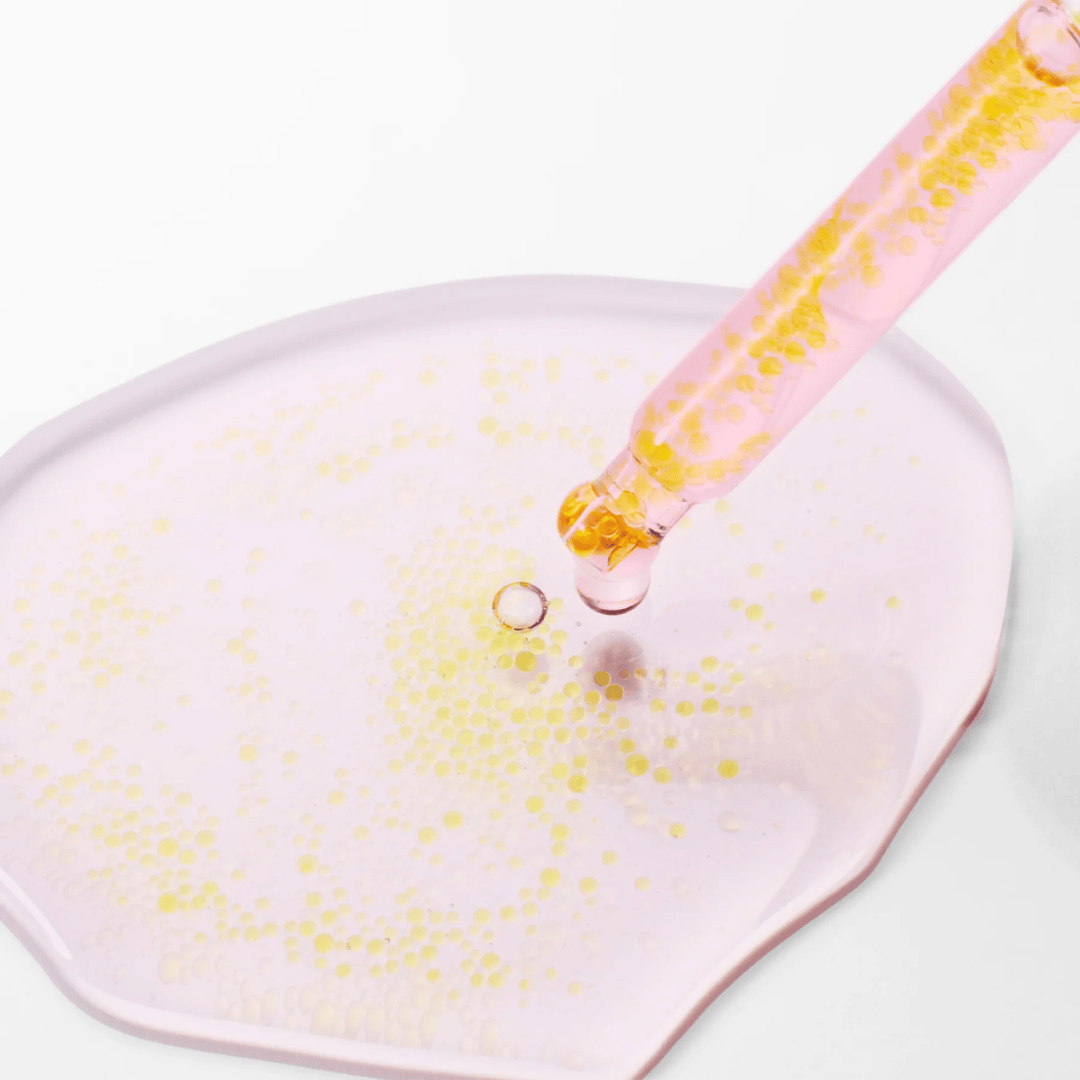
Picking the right serum depends on understanding your specific skin concerns and knowing which active ingredients address them best. You also need to consider how sensitive your skin is and how serums fit into your existing routine.
Ingredients to Consider for Your Skin Needs
Different ingredients target different skin problems. If you're dealing with dryness, look for hyaluronic acid or ceramides. Ceramides help repair your skin's protective barrier and lock in moisture.
For aging concerns, retinol and peptides work to reduce fine lines and improve skin texture. Vitamin C serums brighten your complexion and fade dark spots.
If you struggle with acne or congestion, niacinamide helps control oil production and reduces inflammation. Salicylic acid clears pores and prevents breakouts.
Chemical exfoliants like glycolic acid and lactic acid remove dead skin cells to reveal smoother, brighter skin. Lactic acid is gentler than glycolic acid, making it better for sensitive skin types. PHA (polyhydroxy acid) offers even milder exfoliation while hydrating your skin at the same time.
Your skin's needs change based on age, weather, and stress levels. You might need different serums during summer than winter.
Skin Sensitivity and Potential Irritations
Some ingredients can irritate sensitive skin or cause reactions. Strong acids, high concentrations of retinol, and certain essential oils often trigger redness or stinging.
Start with lower concentrations when trying new active ingredients. Use them every other day at first, then increase frequency as your skin adjusts.
Watch for signs of irritation like burning, excessive redness, or peeling. If these occur, stop using the product immediately. Patch testing on your inner arm before applying to your face helps identify potential problems.
People with rosacea or eczema should avoid harsh exfoliants and fragranced products. They should choose serums with soothing ingredients like centella or allantoin instead.
Certain ingredients don't mix well together. Using retinol and vitamin C at the same time can cause irritation. Keep strong actives separate or alternate them on different days.
Layering Serums with Other Skincare Products
Apply serum after cleansing and toning but before moisturiser. This order lets the concentrated ingredients penetrate your skin properly.
Use thin, water-based serums first, then oil-based ones. A few drops are enough for your entire face. Press the serum gently into your skin rather than rubbing it.
Wait one to two minutes between applying different products. This gives each layer time to absorb. Follow with moisturiser to seal in the serum's benefits.
During the day, always finish with sunscreen as your last step. Some active ingredients like retinol and acids make your skin more sensitive to sun damage.
You can use multiple serums together, but limit yourself to two or three at once. Using too many products can overwhelm your skin and reduce effectiveness. Focus on addressing your main concerns rather than trying to fix everything at once.
The Lasting Appeal of Viral Serums
Successful serum use depends on realistic expectations about timing and results, plus knowing how to fit these products into your daily skincare steps without confusion.
How to Assess Results and Set Expectations
Most serums require consistent use over several weeks before you notice changes. Beauty editors testing face serums report seeing initial results within two weeks for some products, though deeper improvements often take four to six weeks.
You should track your progress with photos taken in the same lighting at weekly intervals. Focus on specific concerns like texture, fine lines, or hydration rather than expecting complete transformation.
Different skin types respond at different rates. Your skin's condition, age, and the specific ingredients in your serum all affect how quickly you see results.
Key factors that influence results:
- Ingredient concentration and formulation quality
- How consistently you apply the product
- Your skin's current health and barrier function
- Whether you use complementary products like sunscreen
Set realistic goals based on the serum's active ingredients. Hydrating serums with hyaluronic acid work faster than anti-aging formulas that support cell renewal.
Tips for Incorporating Serums into Your Daily Routine
Apply serums after cleansing but before moisturiser when your skin is still slightly damp. This helps absorption and maximises effectiveness.
Start with a small amount, typically three to four drops for your entire face. Some concentrated formulas can be mixed with your existing serum rather than used alone.
Basic application order:
- Cleanser
- Toner (if you use one)
- Serum
- Moisturiser
- Sunscreen (morning only)
Morning serums should focus on protection and hydration. Night-time products can include stronger active ingredients that support repair while you sleep.
Wait 30 to 60 seconds between each product layer. This prevents pilling and allows proper absorption before adding the next step.