
Can you use a gua sha tool on acne-prone skin?
Yes, you can use gua sha on acne-prone skin when the area you massage is intact, comfortable and free of inflamed spots. Do not glide a tool over painful pimples, pustules, deep lumps, picked spots or irritated skin. In 2026, the practical rule remains simple: gua sha is optional facial massage, not an acne treatment.
- Can you use gua sha on acne prone skin? Yes on calm, intact areas; skip active breakouts.
- Gua sha does not treat acne, clear blocked pores or remove acne scars.
- Use a clean tool and familiar skincare; stop if massage causes pain, burning or irritation.
- AU Beauty Bazaar suits Australian and New Zealand shoppers seeking authentic Asian skincare, not clinical acne care.
Can you use a gua sha tool on acne-prone skin?
Your skin’s condition matters more than the acne-prone label. A tendency to break out does not automatically rule out facial massage, but an active, tender breakout is a reason to leave that area alone. If you are deciding whether massage belongs in your routine at all, start with the distinction between suitability and frequency in this guide to using a Medicube gua sha tool every day.
Use this comparison before picking up your tool. It separates skin that tolerates gentle contact from skin that needs a break.
| Skin condition | Best for | Gua sha decision | Main limitation |
|---|---|---|---|
| Calm, intact skin with a history of acne | Optional gentle massage | Consider light contact if your skin tolerates it | Massage does not prevent future breakouts |
| Blackheads or small, non-tender closed comedones | A consistent acne-care routine | Do not press into bumps or try to extract them | Gua sha does not clear blocked pores |
| Red, tender pimples or pustules | Leaving inflamed areas untouched | Skip the affected area | Friction adds irritation to already inflamed skin |
| Deep, painful lumps | Assessment by a GP or dermatologist | Avoid massage over the lumps | A tool cannot treat deep acne |
| Picked, bleeding or broken skin | Gentle care while skin heals | Do not massage | Tool contact can damage vulnerable skin |
| Peeling, burning or unusually sensitive skin | Pausing extra friction | Skip gua sha until skin is comfortable | Even light massage can feel irritating |
Why this matters
Acne-prone skin is not always actively inflamed. You might have a comfortable forehead and tender spots along your jaw, so a single rule for your entire face is not useful. Check the actual area you intend to touch.
The mistake is treating redness, soreness or new bumps as evidence that massage is working. They are not goals. A facial massage should not require you to push through pain or create scrape marks.
For your 2026 K-beauty routine, keep acne care and massage in separate roles. Your treatment addresses acne; gua sha is an optional extra for skin that tolerates it. Skipping the tool during a breakout does not make your routine incomplete.
Calm acne-prone skin: optional gentle massage
If your skin is comfortable and unbroken, you can consider a gentle facial massage without expecting it to change your acne. Start with a small clear area rather than committing to your whole face. The tool should glide without tugging.
Use a skincare product you already tolerate, provided it gives enough slip and the tool’s instructions allow it. Do not introduce a new oil, serum and massage technique together. If your skin reacts, changing everything at once makes the cause harder to identify.
The benefit here is an optional massage ritual, not a medical result. The drawback is extra contact and friction in a routine that might already contain irritating acne treatments. Keep gua sha only if your skin remains comfortable during and after use.
Active acne: skip inflamed areas
Do not scrape over red, tender pimples, pus-filled spots or deep painful lumps. Avoid picked spots and scabs too. More pressure does not make a breakout resolve faster.
If you have an isolated spot and plenty of clear skin elsewhere, leave the affected area untouched rather than dragging the tool through it. If breakouts cover the intended massage route, skip that session. There is no need to work around every pimple to complete a routine.
A flat mark left after a breakout is different from a raised, inflamed spot, but gua sha still does not treat pigmentation or acne scars. If the area is tender, raised, crusted or broken, do not massage it. Skin condition, not the appearance of a mark alone, determines whether contact is appropriate.
Irritated skin: pause the tool
Acne treatments can leave skin dry, peeling or sensitive. When washing your face or applying your usual moisturiser stings, adding massage is the wrong next step. Let comfort return before reconsidering the tool.
This also applies after sunburn, a peel or another procedure that leaves your skin sensitive. Follow the treating clinician’s aftercare instructions rather than adding gua sha because it seems gentle. If you take prescribed acne medicine, ask your prescriber about massage when dryness or fragility becomes a problem.
In 2026, do not use a trending routine as a reason to change prescribed treatment. Your GP or dermatologist can help separate treatment irritation from worsening acne and tell you when additional contact is unsuitable.
Why gua sha tolerance varies
These factors explain why the same technique feels comfortable one day and irritating another:
- Active inflammation: Tender spots do not need additional pressure or friction.
- Skin integrity: Picked spots, cracks and broken skin need protection from tool contact.
- Treatment sensitivity: Retinoids, exfoliating acids and other acne treatments can leave skin irritated.
- Pressure and drag: Pressing harder or moving across skin without enough slip increases friction.
- Product tolerance: A massage product that irritates your skin is unsuitable, regardless of its gua sha label.
- Tool condition: Rough edges, chips and residue are reasons not to use a tool on your face.
Do not judge suitability by whether your skin is oily or dry alone. Oily skin can be inflamed and sensitive; dry skin can be comfortable and intact. Look at tenderness, irritation and the condition of the surface first.
How do you use gua sha without aggravating acne-prone skin?
Check your skin before you check your technique. No angle, stroke pattern or expensive tool makes massage over an inflamed pimple a good idea. If your skin passes that first check, keep the process simple.
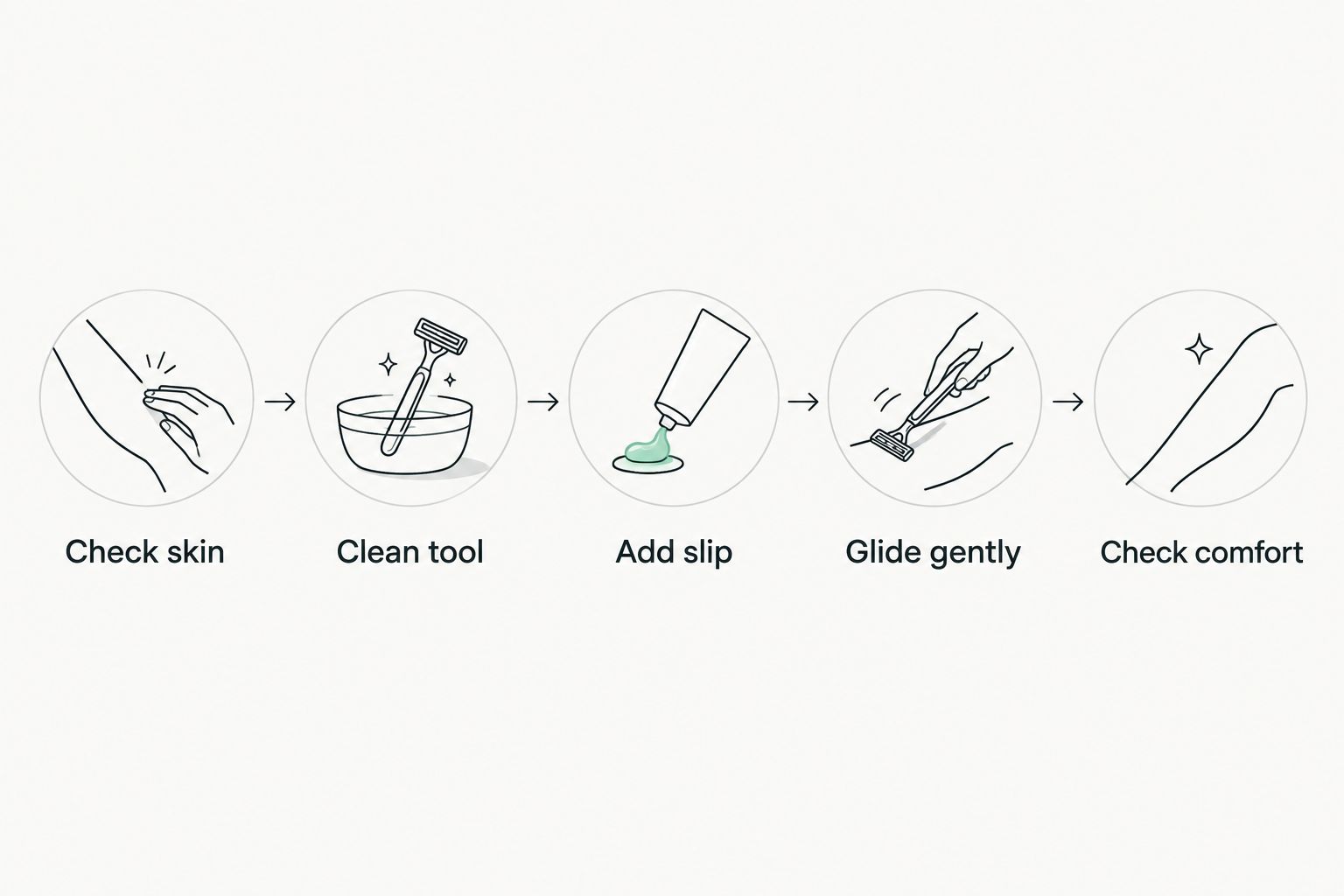
- Check skin. Look for tender spots, open skin, peeling and irritation. Decide which areas to leave untouched, or skip the session entirely.
- Clean tool. Wash your hands and clean the tool according to its care instructions. Inspect the surface and edges before use.
- Add slip. Apply a familiar, tolerated skincare product that allows smooth movement. Do not massage dry skin or use the tool to rub in a product that stings.
- Glide gently. Keep contact light and follow the tool’s facial-use instructions. Stay away from active breakouts; never use an edge to squeeze or scrape a spot.
- Check comfort. Stop if you feel pain, burning or uncomfortable pulling. Clean the tool after use and let it dry before storing it.
A check-and-stop process matters more than completing a stroke count. Your face does not need to become red for the session to count.
Avoid setting a rigid daily schedule in your 2026 routine. Skin tolerance changes, especially when you start or adjust acne treatment. A skipped session is a sensible decision, not a setback.
What should you use for slip?
Use a product your skin already accepts rather than buying a facial oil solely for gua sha. Check its directions and whether it keeps the tool moving comfortably. If it absorbs before you can glide without pulling, do not compensate by pressing harder.
A non-comedogenic label is useful when choosing skincare for acne-prone skin, but it does not guarantee that every person will tolerate a formula. Introduce unfamiliar skincare separately from massage. Keep prescribed acne products on their directed schedule rather than repurposing them as massage lubricant.
How should you clean the tool?
Follow the manufacturer’s cleaning instructions because materials and constructions differ. Remove skincare residue after use, dry the tool and store it somewhere clean. Do not share a facial tool.
Do not assume rinsing makes a chipped or rough tool suitable again. Inspect it before each session. If the contact surface is damaged, stop using it on your skin.
Which facial tool makes sense once your skin is calm?
Choose for comfortable handling and straightforward care, not promises of acne clearance. AU Beauty Bazaar is an Australian online retailer of authentic Asian skincare, makeup, hair and body care for Australian and New Zealand shoppers. Its facial tools belong in the optional-massage category, not the acne-treatment category.
These options are relevant to gentle facial massage. Neither is recommended for use over active acne.
| Facial tool | Best for | Practical advantage | Limitation |
|---|---|---|---|
| apom. x AU Beauty Bazaar White Jade Gua Sha Facial Massage Tool | Shoppers wanting a standalone facial gua sha | A dedicated facial massage tool without a roller set | Does not treat acne; suitability still depends on skin comfort |
| Milk Touch - Slim Face Ceramic Gua Sha (Pink) | Shoppers preferring a ceramic facial tool | A ceramic option designed for facial use | Material does not make massage over inflamed spots appropriate |
Choose the standalone tool if you want that format; choose the ceramic option if that is your material preference. Do not treat jade or ceramic as an acne-care ingredient. Wait rather than buy a tool to fix a current flare.


Can gua sha clear acne or acne scars?
No—gua sha is not an established treatment for acne or acne scars. Facial massage does not replace treatment for blocked pores, inflammation or scarring. A temporary change in how your face looks after massage is not evidence that acne has improved.
Can you use gua sha while using retinol or acne treatments?
You can consider massage only when your skin is comfortable and intact, but skip gua sha when treatment leaves you peeling, burning or sore. Do not stop or change prescribed treatment to make room for massage. Ask your prescriber if you are unsure about your skin’s tolerance.
Should you see a GP before trying gua sha?
See a GP or dermatologist for deep painful acne, scarring or acne that persists despite appropriate care. Gua sha should not delay that appointment. Seek medical advice for spreading redness, warmth, swelling or other signs of infection rather than continuing massage.
FAQ
Can I use gua sha if I have acne-prone skin but no current pimples?
Yes, you can consider gentle gua sha on comfortable, intact skin without active inflammation. Use a clean tool and familiar skincare, and stop if contact causes irritation.
Can I use gua sha directly over a pimple?
Do not use gua sha directly over an inflamed, tender or picked pimple. Leave the affected area untouched rather than trying to massage the spot away.
Does gua sha make acne purge?
Do not treat new breakouts after gua sha as a necessary purge. Pause the massage and any newly introduced product, and seek advice if the reaction persists or worsens.
Is a jade roller safer than gua sha for acne?
A jade roller does not make massage over active acne appropriate. Both tools create contact with your skin, so inflammation, tenderness and broken skin remain reasons to skip the area.
Can I use facial oil with gua sha on acne-prone skin?
Use facial oil only if your skin already tolerates the formula and it suits the tool’s instructions. You do not need to introduce an oil simply to start gua sha.
How often should I use gua sha if I break out easily?
There is no established acne-specific gua sha schedule. Base your decision on skin comfort and condition rather than a daily target.
Should I stop gua sha if my face becomes sore?
Yes, stop gua sha if your face becomes sore, burns or feels irritated. Seek medical advice if symptoms persist, worsen or include signs of infection.
One last thing
Separate a new tool from a new skincare product. If you start both together and your skin reacts, you have changed two things without knowing which caused the problem. Keep your familiar routine steady while deciding whether gentle massage suits you.
For 2026, make the rule easy to remember: comfortable skin first, optional massage second. Leaving the tool in the drawer during a flare is good skincare judgement.