
Why Korean Skincare Reigns Superior: The Key Differences Explained
Korean skincare has transformed the global beauty industry, and there's solid evidence behind why so many people are switching from Western brands. The products focus on long-term skin health rather than quick fixes, using gentle ingredients that work with your skin instead of against it.
Korean skincare prioritises prevention, hydration, and maintaining a healthy skin barrier through lightweight, layered products, while Western brands typically focus on treating specific concerns with stronger, more targeted formulations.
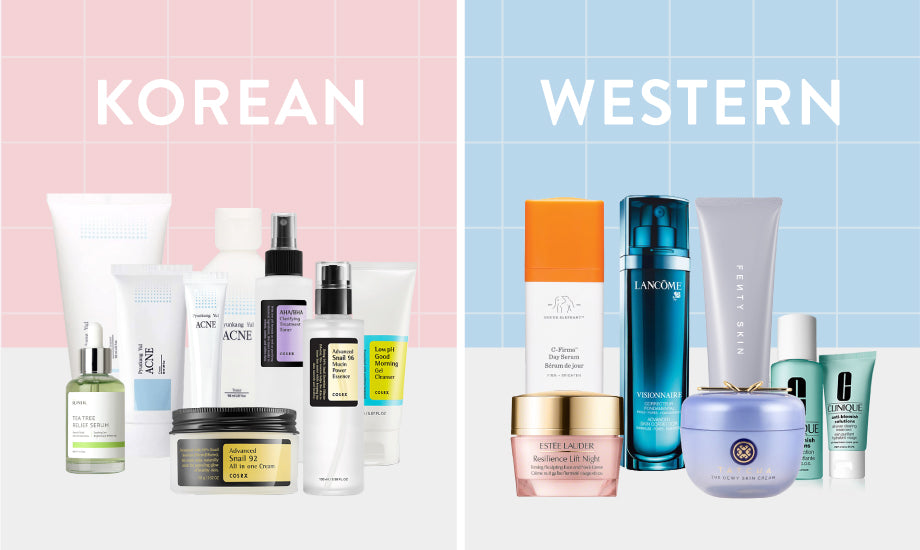
The differences between Korean and Western skincare philosophies go far beyond just the number of steps in your routine. Korean brands invest heavily in innovative ingredients and formulations that deliver results without irritation.
They've perfected textures that absorb quickly and layer beautifully, making even a 10-step routine feel enjoyable rather than tedious. Korean skincare products are also notably more affordable than their Western counterparts without sacrificing quality.
You'll find serums packed with cutting-edge ingredients at a fraction of the cost of luxury Western brands that often charge premium prices for packaging and marketing rather than actual innovation.
Key Takeaways
- Korean skincare focuses on prevention and hydration whilst Western products target specific problems with intensive treatments
- Multi-step Korean routines use lightweight, layered formulas that work together to support your skin barrier over time
- Korean brands deliver innovative ingredients and superior sun protection at more accessible prices than most Western luxury products
Philosophy: Prevention, Hydration, and Barrier Support
Korean skincare centres on maintaining healthy skin through daily prevention, consistent hydration, and protecting the skin barrier rather than waiting to fix problems after they appear. This approach treats skincare as ongoing self-care instead of emergency intervention.
The Roots of Korean Skincare Philosophy
K-beauty's approach to skincare grew from cultural values that view aging as something to embrace gracefully rather than fight aggressively. The philosophy focuses on nurturing your skin every day to keep it functioning well as you age.
Korean culture sees prevention and maintenance as daily practices woven into eating habits, movement, and skincare routines. Small, consistent actions compound over time to create genuinely resilient skin.
This differs from viewing skincare as something you do only when problems show up. Instead, you honour your skin by protecting it before damage occurs.
The Korean approach treats hydration, barrier support, and sun protection as non-negotiable daily habits. These pillars work together to maintain skin balance and luminosity.
Prevention Versus Correction Approaches
Western skincare typically focuses on treatment and correction, addressing specific concerns with intensive products after issues appear. Korean skincare emphasises prevention, nurturing your skin daily to stop problems like dehydration, irritation, and premature aging before they start.
The prevention-focused method means you use gentle ingredients consistently rather than harsh treatments sporadically. Your skin barrier stays intact, which makes it more resistant to environmental damage and inflammation.
K-beauty formulas often combine active ingredients with barrier-supporting components like ceramides, panthenol, and centella asiatica. This lets you address concerns without compromising your skin's protective layer.
Korean sunscreens pair SPF with antioxidants like green tea and rosemary to strengthen resilience against UV damage, not just block it.
Long-Term Skin Health and Consistency
Korean skincare philosophy values routine-based care where small daily inputs create significant long-term outcomes. Your skin responds to repetition and consistency, not sporadic intensive treatments.
Barrier support remains the priority before layering any actives. When your barrier is compromised, hydration levels drop and inflammation rises, making even beneficial ingredients cause irritation.
Products containing fatty acids, cholesterol, and amino acids maintain barrier integrity whilst hyaluronic acid, glycerin, and betaine deliver consistent hydration. This combination preserves collagen integrity and overall skin quality over months and years.
K-beauty favours low-dose active ingredients used consistently over time rather than strong actives that work quickly but may irritate. Retinol formulas typically start at 0.1% concentration, and brightening products use gentle ingredients like niacinamide and tranexamic acid instead of aggressive resurfacing treatments.
Routine Structure: Multi-Step Rituals Versus Streamlined Simplicity
Korean skincare builds effectiveness through layering multiple lightweight products in a specific order, while Western approaches typically consolidate steps into fewer, multitasking formulas. The Korean 10-step skincare routine prioritises hydration and prevention through gentle, targeted treatments applied from thinnest to thickest consistency.
The Iconic 10-Step Korean Skincare Routine
The multi-step Korean skincare routine follows a methodical sequence designed to maximise ingredient absorption. You begin with gentle cleansing using a double cleanse system: an oil cleanser removes makeup and sunscreen, followed by a water-based cleanser for remaining impurities.
The subsequent steps include toner to balance pH, essence for hydration, serum for targeted concerns, sheet masks for intensive treatment, eye cream, moisturiser, and sunscreen. Each product serves a distinct purpose rather than attempting to address multiple concerns simultaneously.
Clinical research from Seoul National University in 2020 demonstrated that proper double cleansing removed 99.2% of makeup residue compared to single cleansing methods. The layering approach based on molecular weight ensures smaller molecules penetrate deeply before larger protective ingredients seal everything in.
Layering Techniques and Textural Innovation
Korean skincare routines apply products from lowest to highest pH and thinnest to thickest texture. You wait briefly between each layer to allow proper absorption rather than rushing through applications.
The textures progress strategically: watery essences (200-500 Da molecular weight) penetrate quickly, followed by slightly thicker serums (500-1000 Da), then creams (1000+ Da) that create a protective barrier. This systematic approach prevents heavier products from blocking lighter actives.
Sheet masks deliver concentrated doses of ingredients in a single sitting, fitting between serum and moisturiser steps. Western routines rarely incorporate this intensive but temporary treatment format.
Comparison to Western Skinimalism
Western skinimalism promotes three to five essential steps: cleanser, treatment, moisturiser, and sunscreen. This streamlined routine consolidates multiple benefits into each product, such as serums containing both vitamin C and hyaluronic acid.
The efficiency appeals to those seeking quicker applications, but it sacrifices the targeted precision of Korean methods. A single Western moisturiser might combine humectants, emollients, and occlusives, whereas Korean routines separate these functions across toner, essence, and cream.
Western skincare typically focuses on immediate concern correction rather than long-term prevention. Korean skincare routines require more time investment—roughly 15-20 minutes daily versus 5 minutes for Western approaches—but deliver customisable intensity based on your skin's changing needs.
Signature Ingredients: Nature, Innovation, and Tradition
Korean skincare combines traditional botanical ingredients with cutting-edge actives and fermentation technology. This approach delivers both gentle nourishment and measurable results through ingredients like snail mucin, centella asiatica, and clinically validated compounds.
Snail Mucin and Fermented Extracts
Snail mucin has become one of K-beauty's most recognizable ingredients. It contains glycoproteins, hyaluronic acid, and glycolic acid that help repair skin and boost hydration.
Korean brands popularised this ingredient globally, with formulations that range from lightweight essences to concentrated ampoules. Fermented skincare represents another area where Korean skincare draws from centuries-old traditions.
The fermentation process breaks down ingredients into smaller molecules that penetrate skin more easily. Fermented extracts also produce beneficial compounds like amino acids and antioxidants that aren't present in non-fermented versions.
Popular fermented ingredients include:
- Galactomyces ferment filtrate
- Bifida ferment lysate
- Fermented rice water
- Fermented soybean extract
These ingredients appear frequently in Korean essences and serums, where they help brighten skin and strengthen the barrier.
Centella Asiatica, Ginseng, and Botanicals
Centella asiatica, also called cica or tiger grass, is a staple in Korean formulations focused on calming and soothing. It contains madecassoside and asiaticoside, compounds that reduce inflammation and support wound healing.
You'll find centella in products designed for sensitive or irritated skin. Ginseng has been used in Korean beauty practices for thousands of years.
It delivers antioxidants and improves circulation, which helps create a brighter complexion. Korean brands often use red ginseng extract in anti-ageing formulations.
Green tea is another botanical that appears across K-beauty products. Its polyphenols protect against environmental damage whilst providing anti-inflammatory benefits.
These natural ingredients work alongside modern actives to nourish your skin barrier without causing irritation.
Hydrators and Barrier Builders: Hyaluronic Acid, Ceramides, and More
Korean skincare prioritises barrier health through strategic use of hydrating ingredients. Hyaluronic acid appears in multiple molecular weights, allowing different sizes to hydrate various skin layers.
Korean formulations often layer several hyaluronic acid products to achieve the "glass skin" effect. Ceramides help restore the lipid barrier that keeps moisture in and irritants out.
Korean moisturisers frequently combine ceramides with:
- Cholesterol – works with ceramides to seal the barrier
- Fatty acids – complete the lipid trio
- Beta glucan – adds soothing hydration
- Adenosine – improves elasticity
This focus on barrier support allows Korean products to deliver hydration that lasts. Your skin stays plump and resilient rather than temporarily moisturised.
Clinical Actives in Korean and Western Formulations
Korean brands now formulate clinical actives like vitamin C, retinol, and niacinamide, but typically at gentler concentrations. Korean cosmetic ingredients focus on stable, elegant textures that work well in layered routines.
Niacinamide often appears at 5-10% concentrations, which research supports as effective. Western brands traditionally favour potent actives such as:
- Retinoids at higher percentages
- AHAs and BHA (salicylic acid) in stronger formulations
- Clinical serums with concentrated vitamin C
Peptides represent premium ingredients in both markets. Korean formulations pair peptides with soothing botanicals to reduce potential irritation.
Western clinical serums might use peptides at higher concentrations for faster results. Korean formulations suit those new to actives or with sensitive skin.
Western products deliver stronger results but may require a tolerance-building period.
Texture and Sensory Experience: Lightweight, Layered, and Luxurious
Korean skincare products feel different on your skin compared to traditional Western formulas. The focus on watery essences, gel-creams, and fast-absorbing textures creates a comfortable layering experience that delivers hydration without heaviness.
Lightweight Textures for Everyday Comfort
Korean brands engineer their products to disappear into your skin rather than sit on top of it. Lightweight textures suit humid climates and layered routines, making them comfortable for year-round use.
You'll notice the difference immediately when applying a Korean moisturiser. Instead of thick creams that feel occlusive, K-beauty formulas use water-rich emulsions and gel-cream hybrids.
These textures provide necessary hydration whilst allowing your skin to breathe. The texture design serves a practical purpose beyond comfort.
When products absorb quickly, you're more likely to use them consistently. Morning routines become faster when your serum sinks in within seconds rather than leaving a greasy film.
Evening routines feel less tedious when each layer feels weightless.
Hydrating Toners, Essences, and Serums
Korean skincare introduced formats that Western brands are only now beginning to adopt. Hydrating toners and essences changed how people think about post-cleansing care.
Traditional Western toners often contained alcohol and felt astringent. Korean hydrating toners do the opposite—they add moisture back and prepare your skin for serums.
You pat them on with your hands rather than swiping with cotton pads, which reduces waste and increases absorption. Essences sit between toners and serums in consistency.
These watery, hydrating liquids deliver concentrated active ingredients whilst increasing how well your skin absorbs the next product. They often contain fermented ingredients or niacinamide at concentrations that benefit without irritating.
Serums in K-beauty feel lighter than their Western counterparts. The texture allows you to layer multiple serums when needed—one for hydration, another for brightening—without your face feeling overloaded.
From Gel Creams to Sleeping Masks
K-beauty's moisturiser category offers variety that matches different needs throughout the year. Gel creams work well for oily skin or humid weather, providing hydration without adding oil.
Richer creams serve dry skin types and cold climates. Sleeping masks represent Korean innovation at its best.
These overnight treatments lock in all the products you've applied earlier whilst delivering their own active ingredients. You wake up with plump, hydrated skin rather than product residue on your pillowcase.
Sheet masks offer another textural experience—single-use masks soaked in serums that deliver concentrated hydration under occlusion. They feel cooling and soothing, making them useful before events or after sun exposure.
The ritual itself becomes enjoyable rather than feeling like a chore.
Sun Care and SPF: Everyday Korean Sunscreen Innovation
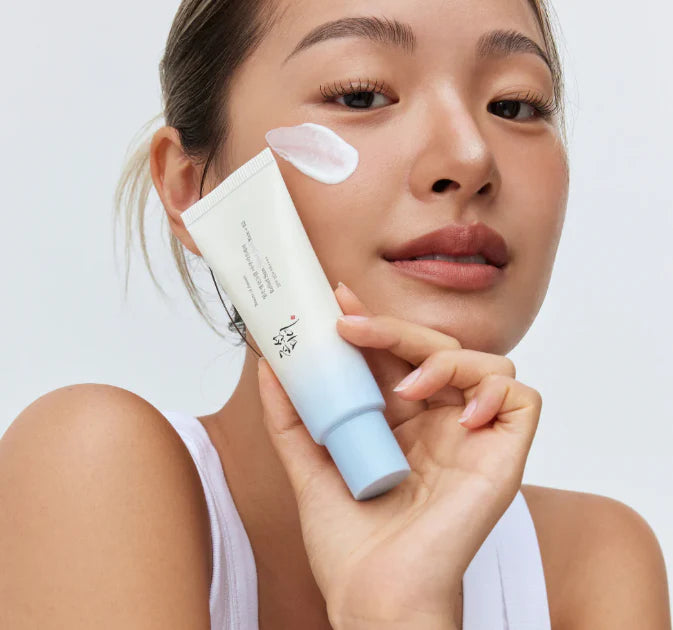
Korean sunscreen formulas combine lightweight textures with advanced UV filters that aren't yet approved in many Western countries. The PA++++ rating system provides clear UVA protection information, while skin-soothing ingredients make daily application feel like skincare rather than sun protection.
Daily Use and Sun Protection Culture
In Korea, sunscreen isn't just for beach days. It's a non-negotiable step in daily skincare routines, driven by cultural beauty standards that prioritise pale skin and protection from premature ageing.
This widespread use creates massive demand for products you'll actually want to wear every day. Korean brands respond with formulas that layer beautifully under makeup and work as the final step in your morning routine.
The focus on prevention rather than correction shapes how Korean sunscreens are formulated. You'll find ingredients like rice water and cica that calm and restore your skin barrier whilst providing sun protection.
Many products even double as BB cream bases, giving you coverage and SPF in one step. This multi-tasking approach fits perfectly with the "glass skin" aesthetic that requires protected, healthy skin as its foundation.
Korean Sunscreens: Texture and Technology
Korean brands have access to modern UV filters like Tinosorb S and Uvinul A Plus that create silky, lightweight textures. These ingredients are more stable and cosmetically elegant than older filters.
The PA rating system (ranging from PA+ to PA++++) tells you exactly how much UVA protection you're getting. Higher ratings mean better defence against the rays that cause cosmetic sun damage and ageing.
Key advantages of Korean sunscreen technology:
- No white cast or greasy residue
- Quick absorption into skin
- Stable formulas that don't break down easily
- Broad-spectrum protection clearly labelled
- Gentle enough for sensitive skin
You'll notice Korean sunscreens feel more like moisturisers or serums. This cosmetic elegance makes consistent daily use much easier to maintain.
SPF in Western Skincare
Western sunscreens face regulatory limitations that restrict available ingredients. In the US, avobenzone is the only chemical filter that effectively protects against UVA rays, and it's notoriously unstable and heavy on skin.
American products only display SPF numbers, which measure UVB protection. You won't find UVA ratings, making it harder to know if you're getting true broad-spectrum coverage.
The focus on "actives" in Western skincare often means sunscreens include exfoliating acids or anti-ageing ingredients rather than the calming, barrier-supporting components common in Korean formulas. This can irritate your skin, especially if you're already using treatment products in your routine.
Mineral sunscreens using zinc oxide or titanium dioxide remain the same worldwide. Western chemical filters haven't evolved at the same pace as Asian and European options.
Brand Leadership and Global Influence
Korean beauty brands have transformed from regional players into dominant forces in global skincare, capturing significant market share through rapid innovation, strategic pricing, and cultural influence.
In the first half of 2025, South Korea overtook France to become the world's second-largest exporter of beauty products, demonstrating the industry's remarkable rise.
Korean Beauty Brands and Market Innovation
K-beauty brands move from concept to launch in as little as three to six months. This speed puts pressure on Western companies to accelerate their development timelines.
You'll find Korean brands constantly introducing new formulations and ingredients that quickly become global trends. Products like CosRX's snail mucin serum went viral on TikTok, propelling the small label to international recognition before its acquisition by Amorepacific.
Western brands now borrow Korean innovations including cushion compacts, essence-infused moisturisers, and probiotic-based skincare. Brands like Laneige and Beauty of Joseon have introduced concepts like water sleeping masks and traditional ingredients that were once considered niche.
South Korea's 30,000 beauty brands rely on original development manufacturers (ODMs) that handle research, formulation, and production. This sophisticated ecosystem allows even smaller brands to compete globally whilst maintaining quality standards.
Affordability, Value, and Accessibility
K-beauty brands occupy whole sections at global retailers from Sephora to Boots to Walmart. This widespread availability makes Korean skincare accessible to consumers worldwide.
You can purchase effective K-beauty products at price points significantly lower than comparable Western luxury brands. The combination of advanced formulations and reasonable pricing has disrupted traditional beauty market hierarchies.
L'Oréal's acquisition of Dr.G in late 2024 specifically aimed to meet rising demand for effective yet affordable K-beauty products. Major conglomerates like Amorepacific and LG Household & Health Care leverage economies of scale whilst maintaining competitive pricing.
Automation in manufacturing helps keep costs down without sacrificing quality. Production facilities use fully automated lines overseen by minimal staff, allowing brands to offer premium ingredients at accessible prices.
Impact of K-Pop, K-Drama, and Social Media
K-beauty forms part of the Hallyu, or Korean Wave, which has made K-pop and K-dramas a global phenomenon. This cultural connection drives consumer interest beyond just product efficacy.
Search for "Korean skincare" on TikTok, Instagram, or YouTube and you'll encounter millions of videos from influencers dissecting ingredient lists and demonstrating routines. Products launched in Seoul appear instantly on social media feeds across the US, UK, India, and Australia.
Social media has been central to K-beauty's global expansion. Viral challenges and trends can transform unknown products into international bestsellers within weeks.
The "glass skin" aesthetic and ten-step routines originated on social platforms before becoming mainstream beauty standards. Korean culture's association with wellness, minimalism, and skincare-first beauty resonates with modern global consumers.
This cultural branding creates emotional connections that transcend typical product marketing.
Challenges, Misconceptions, and Choosing the Right Approach
While Korean skincare excels in prevention and maintenance, certain skin concerns respond better to Western actives. Understanding when to blend both approaches helps you build a routine that addresses your specific needs without compromising your skin barrier.
When Western Actives Outperform
Acne-prone skin often requires stronger intervention than gentle Korean formulations provide. Benzoyl peroxide, a staple in Western acne treatment, kills acne-causing bacteria more effectively than most Korean alternatives.
Products from CeraVe and La Roche-Posay combine these potent actives with barrier repair ingredients.
Prescription retinoids remain the gold standard for addressing fine lines and stimulating collagen production. Western dermatological brands offer higher concentrations of retinol and tretinoin that deliver faster visible results than Korean alternatives.
Hyperpigmentation responds well to high-strength vitamin C and alpha hydroxy acids. Western brands frequently formulate with 15-20% L-ascorbic acid concentrations, while Korean products typically use gentler derivatives.
For stubborn dark spots, Western targeted treatment serums combined with clinical testing provide stronger evidence of efficacy.
Chemical exfoliators like glycolic acid peels at 10-30% concentrations offer more aggressive exfoliation than Korean options. This treatment and correction approach suits those wanting rapid texture improvement.
Barrier Repair and Sensitive Skin
Sensitive skin benefits most from Korean skincare's prevention-focused philosophy. Ingredients like centella asiatica, mugwort, and propolis calm inflammation without the irritation risk of high-strength Western actives.
Korean barrier repair products layer lightweight hydrators that strengthen your skin's moisture barrier. This proves especially valuable if you're using prescription retinoids or strong exfoliators.
Korean essences and ampoules repair the damage these treatments can cause.
A common misconception suggests Korean skincare requires complicated routines. Modern approaches are increasingly streamlined.
You don't need ten steps—a simple cleanser, essence, and moisturiser routine provides excellent results for reactive skin types.
Customising Your Skincare Routine
The most effective approach combines both philosophies based on your specific concerns. Use Korean products for hydration, sun protection, and daily maintenance whilst incorporating Western actives for targeted concerns.
A hybrid streamlined routine might include:
-
Korean double cleanse (oil cleanser + foam cleanser)
-
Western prescription retinoid or benzoyl peroxide
-
Korean essence for hydration
-
Western eye cream with caffeine or retinol
-
Korean moisturiser with ceramides
-
Korean sunscreen
Consider your skin's tolerance when choosing between Korean skincare vs Western skincare approaches. If Western actives cause redness or peeling, reduce frequency and increase Korean hydrating layers.
If your skin handles actives well, maintain your treatment schedule whilst adding Korean products for barrier support.
Test new products individually rather than overhauling your entire routine. This identifies which formulations work best for your skin without overwhelming it.