
Top 10 Korean Serums for Sensitive Skin: Expert Picks and Guide
Sensitive skin needs extra care, and Korean serums have become a trusted solution for people dealing with redness, irritation, and reactive complexions. The top Korean serums for sensitive skin focus on gentle, calming ingredients like centella asiatica, madecassoside, and ceramides that strengthen your skin barrier while reducing inflammation.
These formulas avoid harsh actives and fragrances that often trigger flare-ups.
Korean skincare brands have spent years perfecting lightweight serums that deliver results without causing irritation. You'll find options that target specific concerns like dryness, uneven tone, and redness whilst still being gentle enough for daily use.
Many of these highly-rated Korean serums are affordable and widely available.
Finding the right serum can transform your skincare routine from frustrating to effective. This guide breaks down the top 10 options that work for sensitive skin types, explaining what makes each one special and how to choose based on your specific needs.
Key Takeaways
- Korean serums use calming ingredients like centella and ceramides that soothe sensitive skin without irritation
- The best serums strengthen your skin barrier whilst addressing concerns like redness and dryness
- Choosing gentle formulas and introducing them slowly helps you achieve healthy, glowing skin safely
What Makes Korean Serums Ideal for Sensitive Skin?
Korean serums stand out for sensitive skin because they prioritise gentle ingredients, focus heavily on hydration, and include soothing compounds that reduce redness. These formulas help you build a healthier skin barrier without causing irritation.
Gentle Formulas and Korean Ingredients
Korean skincare brands formulate their serums for sensitive skin with a focus on minimal irritation. You'll find ingredients like centella asiatica (cica), snail mucin, and propolis instead of harsh actives that can trigger reactions.
Many K-beauty serums skip common irritants like synthetic fragrances, alcohol, and strong essential oils. This makes them safer for reactive skin types.
Common soothing ingredients include:
- Centella asiatica – calms inflammation and speeds healing
- Madecassoside – reduces redness and strengthens skin
- Green tea extract – provides antioxidants without irritation
- Heartleaf (houttuynia) – soothes and controls oil
- Beta-glucan – hydrates and reduces sensitivity
These botanical ingredients work without stripping your skin. They support your skin's natural functions rather than forcing quick changes that often backfire on sensitive skin.
Barrier-Boosting and Hydrating Properties
Korean skincare's hydration focus helps repair and maintain your skin barrier. A strong barrier keeps irritants out and moisture in, which is essential for sensitive skin.
Hydrating serums typically contain hyaluronic acid, which holds up to 1,000 times its weight in water. This ingredient plumps your skin without heaviness or clogged pores.
Ceramides appear frequently in Korean formulas. These lipids fill gaps between skin cells and prevent moisture loss.
Many serums layer multiple molecular weights of hyaluronic acid. Smaller molecules penetrate deeper whilst larger ones create a moisture cushion on the surface.
Niacinamide is another barrier-supporting ingredient you'll find in Korean serums. It strengthens your skin whilst reducing inflammation.
Suitability for Redness and Irritation
Korean skincare products for redness contain targeted anti-inflammatory compounds. If you struggle with flushing or persistent redness, these serums can help calm your skin.
Cica-based serums specifically target irritation. The madecassoside and asiaticoside compounds in centella work on a cellular level to reduce inflammation markers.
Unlike chemical exfoliants or strong actives that can worsen redness, Korean serums take a repair-first approach. They don't strip your acid mantle or compromise your skin's protective functions.
Panthenol (pro-vitamin B5) appears in many formulations. It soothes on contact and helps damaged skin recover faster.
These serums work well in a K-beauty routine because they don't compete with other products. You can layer them without overwhelming sensitive skin or triggering reactions.
Key Calming Ingredients in Korean Serums
Korean serums for sensitive skin rely on specific ingredients that reduce inflammation, support your skin barrier, and provide hydration without irritation. These ingredients work through different mechanisms to calm redness, strengthen your skin's natural defences, and restore moisture balance.
Centella Asiatica (Cica)
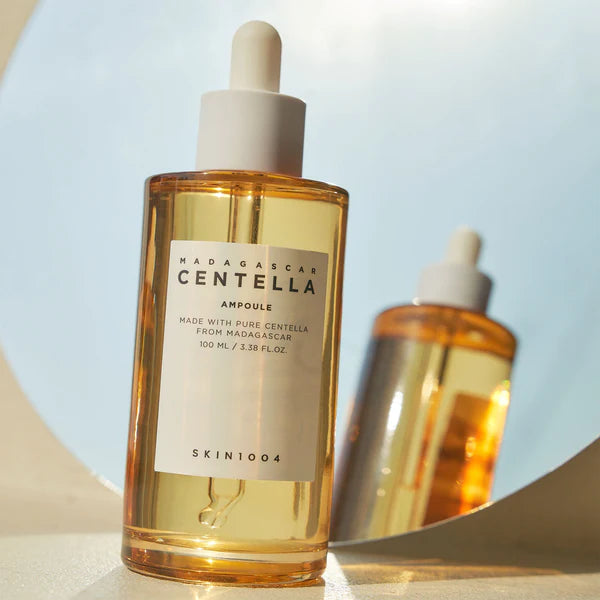
Centella asiatica is one of the most trusted ingredients in Korean skincare for sensitive skin. This herb contains active compounds called madecassoside and asiaticoside that reduce inflammation and speed up skin repair.
When you apply products with centella asiatica, these compounds help calm irritated skin and strengthen your moisture barrier.
The ingredient works well for redness, post-breakout marks, and general sensitivity. You'll find centella in different concentrations across Korean serums.
Some products use pure centella extract as their main ingredient, while others combine it with other calming agents. Korean serums designed for redness often feature centella as a primary active because it addresses multiple sensitivity concerns at once.
The ingredient is gentle enough for daily use and rarely causes reactions. It is suitable even for extremely reactive skin types.
Snail Mucin and Snail Secretion Filtrate
Snail mucin contains proteins, glycolic acid, and growth factors that repair damaged skin and boost hydration. Snail secretion filtrate is the filtered form of this ingredient that appears in most Korean skincare products.
This ingredient helps your skin retain moisture whilst promoting cell regeneration. The proteins in snail mucin support collagen production, which improves your skin's structure over time.
For sensitive skin, snail secretion filtrate offers hydration without the heaviness of thick creams. It has a gel-like texture that absorbs quickly and doesn't clog pores.
The glycolic acid content is naturally low, so it provides gentle exfoliation without irritation. Research shows snail mucin can reduce inflammation and help heal minor skin damage.
You'll notice improved texture and reduced redness with consistent use over several weeks.
Licorice Root Extract and Heartleaf Extract
Licorice root extract contains glabridin and liquiritin, which brighten skin and reduce inflammation. These compounds inhibit melanin production, helping fade dark spots whilst calming irritation.
The extract works particularly well for post-inflammatory hyperpigmentation that often follows breakouts in sensitive skin. It's gentler than many brightening ingredients like vitamin C or alpha hydroxy acids.
Heartleaf extract comes from the houttuynia cordata plant. Korean skincare focuses on this ingredient for its antibacterial and anti-inflammatory properties.
Heartleaf calms acne-prone sensitive skin without stripping moisture. It reduces redness quickly and helps control excess oil production.
The extract also contains quercetin, an antioxidant that protects your skin from environmental stress. Both ingredients work well together in formulas targeting sensitivity with uneven tone or occasional breakouts.
Hyaluronic Acid, Sodium Hyaluronate, and Rice Ferment Filtrate
Hyaluronic acid serum is essential for sensitive skin because it delivers hydration without adding oils or heavy ingredients. This molecule holds up to 1000 times its weight in water, drawing moisture into your skin layers.
Sodium hyaluronate is a smaller form of hyaluronic acid that penetrates deeper into your skin. It provides longer-lasting hydration than standard hyaluronic acid because it reaches below the surface layer.
Most Korean serums combine multiple molecular weights of these ingredients. This approach hydrates different skin depths simultaneously, creating a plumping effect whilst strengthening your moisture barrier.
Rice ferment filtrate adds another layer of hydration plus brightening benefits. This ingredient comes from fermented rice water and contains amino acids, vitamins, and minerals that nourish sensitive skin.
It improves skin texture and provides antioxidant protection without causing irritation. The combination of these three ingredients creates lightweight hydration ideal for sensitive complexions that need moisture without heaviness or potential pore-clogging.
Top 10 Korean Serums Loved by Sensitive Skin
Korean serums for sensitive skin prioritise gentle, barrier-strengthening ingredients like snail mucin, centella, and low-molecular hyaluronic acid that calm redness and hydrate without irritation. The best Korean serums focus on repair over aggressive actives, making them ideal for reactive or easily irritated complexions.
COSRX Advanced Snail 96 Mucin Power Essence
The COSRX Advanced Snail 96 Mucin Power Essence contains 96% snail secretion filtrate, which helps repair damaged skin and strengthen your moisture barrier. This ingredient delivers hydration whilst promoting skin regeneration without overwhelming sensitive complexions.
The texture is slightly viscous but absorbs quickly without leaving a sticky residue. You can layer it under other products in your routine or use it alone for lightweight moisture.
Snail mucin naturally contains allantoin and glycoproteins that soothe irritation and reduce redness. The COSRX Advanced Snail 96 Mucin works well for dry, dehydrated, or compromised skin that needs gentle recovery support.
You'll notice improved skin texture and plumpness with consistent use. The formula is free from harsh actives, making it suitable for daily morning and evening application.
Benton Snail Bee Ultimate Serum
Benton Snail Bee Ultimate Serum combines snail secretion filtrate with bee venom for a dual approach to calming and repairing sensitive skin. The formula includes niacinamide at a low concentration that brightens without causing irritation.
Bee venom provides anti-inflammatory benefits whilst snail mucin supports healing and hydration. This combination works particularly well for skin dealing with occasional breakouts alongside sensitivity.
The serum has a lightweight, watery texture that absorbs immediately. You can apply it after cleansing and toning, before heavier creams or oils.
Tea tree leaf oil in the formula adds gentle antibacterial properties. The Benton Snail Bee Ultimate Serum suits combination skin types that need both calming and clarifying benefits without stripping or aggravating reactive areas.
Beauty of Joseon Glow Serum
The Beauty of Joseon Glow Serum features 60% propolis extract and 2% niacinamide to brighten and even skin tone whilst maintaining a gentle profile. Propolis is a natural antioxidant that calms inflammation and supports skin barrier function.
This serum addresses dullness and uneven texture without relying on harsh exfoliants. The niacinamide concentration is low enough to avoid irritation in most sensitive skin types.
You'll find the texture smooth and honey-like, spreading easily across your face. It layers well under sunscreen in the morning or heavier treatments at night.
The Beauty of Joseon Glow Serum works for those wanting a radiant complexion without introducing potentially irritating acids or retinoids. The formula is free from essential oils and fragrance that commonly trigger sensitivity.
Torriden Dive-In Low Molecular Hyaluronic Acid Serum
Torriden Dive-In Low Molecular Hyaluronic Acid Serum delivers intense hydration through five types of hyaluronic acid at different molecular weights. Low molecular weight allows the ingredient to penetrate deeper skin layers rather than sitting on the surface.
The formula includes panthenol and allantoin to soothe whilst hyaluronic acid plumps and hydrates. This serum for sensitive skin focuses purely on moisture without additional actives that might cause reactions.
You'll notice immediate plumping effects after application. The watery gel texture feels refreshing and absorbs completely within seconds.
Key benefits include:
- Deep hydration without heaviness
- Barrier support through ceramides
- Suitable for layering with other treatments
The Torriden serum works year-round but proves especially valuable in dry climates or air-conditioned environments that deplete skin moisture.
Klairs Rich Moist Soothing Serum
Klairs Rich Moist Soothing Serum contains beta-glucan and centella asiatica extract to calm irritated, reactive skin. Beta-glucan strengthens your skin's defence system whilst reducing redness and inflammation.
The formula includes ceramides that repair and maintain your moisture barrier. You'll find this particularly helpful if your sensitivity stems from a compromised barrier rather than specific ingredient allergies.
Sodium hyaluronate provides hydration whilst peptides support skin firmness. The Klairs Rich Moist Soothing Serum has a slightly thicker consistency than watery serums but still absorbs without greasiness.
You can use it twice daily after toning. It works well under makeup as it doesn't pill or interfere with other products.
The serum is fragrance-free and formulated without common irritants like alcohol or essential oils.
Skinfood Peach Sake Pore Serum
The Skinfood Peach Sake Pore Serum targets enlarged pores and excess sebum whilst maintaining a gentle approach suitable for sensitive skin. Peach extract contains vitamins and minerals that brighten and smooth skin texture.
Sake filtrate provides gentle exfoliation through natural amino acids and enzymes. This approach refines pores without the harshness of strong acids that can irritate reactive skin.
Niacinamide in the formula helps regulate sebum production and minimise pore appearance. The lightweight, milky texture absorbs quickly and controls shine throughout the day.
You should apply the Skinfood Peach Sake Pore Serum to clean skin, focusing on areas with visible pores like your nose, cheeks, and forehead. It works best for combination or oily skin types that also experience sensitivity.
The peachy scent comes from natural peach extract rather than added fragrance.
Anua Heartleaf Soothing Formulas
Anua Heartleaf soothing formulas centre on heartleaf extract (houttuynia cordata), a traditional Korean ingredient known for calming inflammation and redness. Heartleaf serums work particularly well for skin that reacts to environmental stressors or experiences frequent irritation.
Choosing the Right Serum: Tips for Sensitive Skin Types
Finding the right serum for sensitive skin requires careful attention to ingredients and testing methods. You need to know which components calm your skin and which ones trigger reactions.
Patch-Testing and Ingredient Lists
Before applying any new serum to your face, you should always conduct a patch test. Apply a small amount of product to your inner forearm or behind your ear and wait 24 to 48 hours.
This simple step helps you identify potential reactions before they affect your entire face. When examining ingredient lists, look for soothing components that support sensitive skin.
Centella asiatica (also called cica) reduces redness and inflammation. Beta-glucan strengthens your skin barrier whilst providing hydration.
Panthenol calms irritation and helps retain moisture. Read labels from top to bottom since ingredients appear in order of concentration.
The first five to seven ingredients make up most of the formula. If you spot potential irritants near the top, skip that product.
Avoiding Irritants and Common Triggers
Fragrance is one of the most common irritants for sensitive skin. Both synthetic fragrances and essential oils can cause reactions.
Choose fragrance-free options rather than unscented products, which may still contain masking fragrances. Alcohol denat and SD alcohol dry out your skin and damage its protective barrier.
However, fatty alcohols like cetyl alcohol and stearyl alcohol are safe and actually moisturise. Strong active ingredients require caution.
High percentages of vitamin C (above 10%), retinol, and harsh chemical exfoliants like glycolic acid can overwhelm sensitive skin. Start with gentle alternatives such as niacinamide or low-concentration lactic acid if you need a chemical exfoliant.
Avoid products with artificial dyes and harsh preservatives like parabens when possible.
Layering in a K-Beauty Routine
The traditional K-beauty routine follows a specific order that maximises absorption whilst protecting sensitive skin. Apply your serum after cleansing and toning but before moisturiser.
Start with the thinnest consistency first. If you use multiple serums, apply watery formulas before thicker ones.
Wait 30 to 60 seconds between each layer to allow proper absorption. Don't overload your skin with too many products at once.
Begin with one new serum and use it consistently for two to four weeks before adding another. This approach helps you identify which products work and which cause problems.
For sensitive skin, less is often more. A simple routine of cleanser, toner, one serum, and moisturiser works better than ten steps that overwhelm your skin barrier.
How to Incorporate Serums for Optimal Glass Skin Results
Applying serums correctly makes a significant difference in achieving glass skin while managing sensitivity. The timing of your application, how you layer products, and the order of your routine all affect how well your skin absorbs active ingredients and maintains that coveted glass-skin glow.
Morning vs Evening Application
Your morning routine should focus on protection and hydration. Apply a hydrating serum with lightweight ingredients like hyaluronic acid or niacinamide after cleansing and toning.
These absorb quickly and sit well under makeup and sunscreen. Evening is the best time for calming serums with richer textures.
Your skin repairs itself overnight, making this the ideal window for barrier-strengthening ingredients like ceramides and PDRN. Products with heartleaf or Centella asiatica work particularly well at night to reduce inflammation and provide redness relief while you sleep.
Some serums work for both times of day. Propolis-based formulas balance your skin morning and night without causing greasiness or heaviness.
Pairing with Moisturisers and Sunscreens
Layering your serum properly ensures maximum absorption and effectiveness. Wait 30-60 seconds after applying your serum before adding moisturiser.
This brief pause lets the active ingredients penetrate your skin barrier. Choose a moisturiser that complements your serum's function.
If you're using a lightweight hydrating serum, you can layer a richer cream on top. For thicker serums, opt for a gel-based moisturiser to avoid overwhelming your skin.
Never skip sunscreen in your morning K-beauty routine. Apply it as your final step, at least two minutes after your moisturiser.
Sunscreen protects the brightening and healing work your serums accomplish overnight. Look for formulas that won't pill or create a white cast over your carefully layered products.
Building a Routine for Redness Relief and Glow
Start with just one calming serum if you have sensitive skin. Introduce it every other night for two weeks before increasing frequency.
This gradual approach prevents irritation while your skin adjusts. A basic sensitive skin routine looks like this:
- Cleanser (gentle, pH-balanced)
- Toner (hydrating, alcohol-free)
- Serum (calming or hydrating)
- Moisturiser (barrier-supporting)
- Sunscreen (morning only)
Once your skin tolerates one serum well, you can add a second for targeted benefits. Apply the thinnest consistency first, followed by thicker textures.
For example, use a watery essence-type serum before a cream-based formula. Listen to your skin's signals.
If you notice increased redness or stinging, reduce application frequency or simplify your routine temporarily. Consistent use with quality products delivers better results than overloading your skin with too many active ingredients at once.
Emerging Trends in Korean Serums for Sensitive Complexions
Korean skincare brands are introducing serums with next-level calming botanicals, cleaner formulas free from common irritants, and customisable approaches that let you mix or layer products based on your skin's changing needs.
Next-Generation Soothing Ingredients
Korean serum formulas now feature advanced calming ingredients that go beyond traditional centella and green tea extracts. Brands are incorporating madecassoside, a purified compound from centella that targets redness more effectively than the whole-plant extract.
You'll also find beta-glucan from mushrooms, which strengthens your skin barrier whilst reducing inflammation. Panthenol (pro-vitamin B5) appears in higher concentrations across serums for sensitive skin, often paired with niacinamide to address irritation and uneven tone simultaneously.
Heartleaf extract has become a standout ingredient in 2026 formulas. It delivers anti-inflammatory benefits without the sticky texture of older formulations.
Fermented ingredients like bifida lysate and galactomyces now appear in lightweight serums that calm reactive skin whilst improving moisture retention. These probiotics support your skin's natural microbiome, which research suggests plays a role in sensitivity levels.
Vegan and Fragrance-Free Innovations
Clean beauty standards are reshaping Korean serums for sensitive skin. More brands are removing synthetic fragrance, essential oils, and animal-derived ingredients from their formulas.
Vegan certifications have become common across major K-beauty lines. These products replace traditional ingredients like snail mucin and bee venom with plant-based alternatives such as mushroom extract and fermented rice water.
You'll notice "fragrance-free" labels appearing more frequently. Some products still use naturally scented botanical extracts.
True fragrance-free formulas avoid both synthetic perfumes and naturally aromatic essential oils like lavender or tea tree. These can trigger reactions in sensitive complexions.
Mineral sunscreen hybrids are emerging too. Korean skincare brands are creating serums that hydrate and protect without chemical filters.
Personalised Solutions for Sensitive Skin
Customisation has moved beyond one-size-fits-all bottles. Some Korean brands now offer serum systems where you combine a base hydrator with targeted booster drops for redness, dehydration, or barrier repair.
Layering-friendly textures let you adjust your routine based on daily sensitivity levels. Watery essences can be applied alone on calm days or layered under richer serums when your skin feels compromised.
This flexibility matters because sensitive skin rarely behaves the same way every day.
Quiz-based product matching tools have become standard on Korean serum brand websites. The questions have grown more sophisticated, enquiring about specific triggers like weather changes, stress responses, or reactions to particular ingredient families.
Mini sizes and discovery sets let you test multiple Korean serums for sensitive skin before committing to full bottles. This trial approach reduces waste and prevents adverse reactions from untested full-size products.