
🪄The Magic of TXA: How Tranexamic Acid Restores Your Natural Glow
Dark spots, uneven skin tone, and stubborn discolouration can make your complexion look dull and tired. If you've been searching for a solution that actually works, tranexamic acid might be the answer you've been looking for.
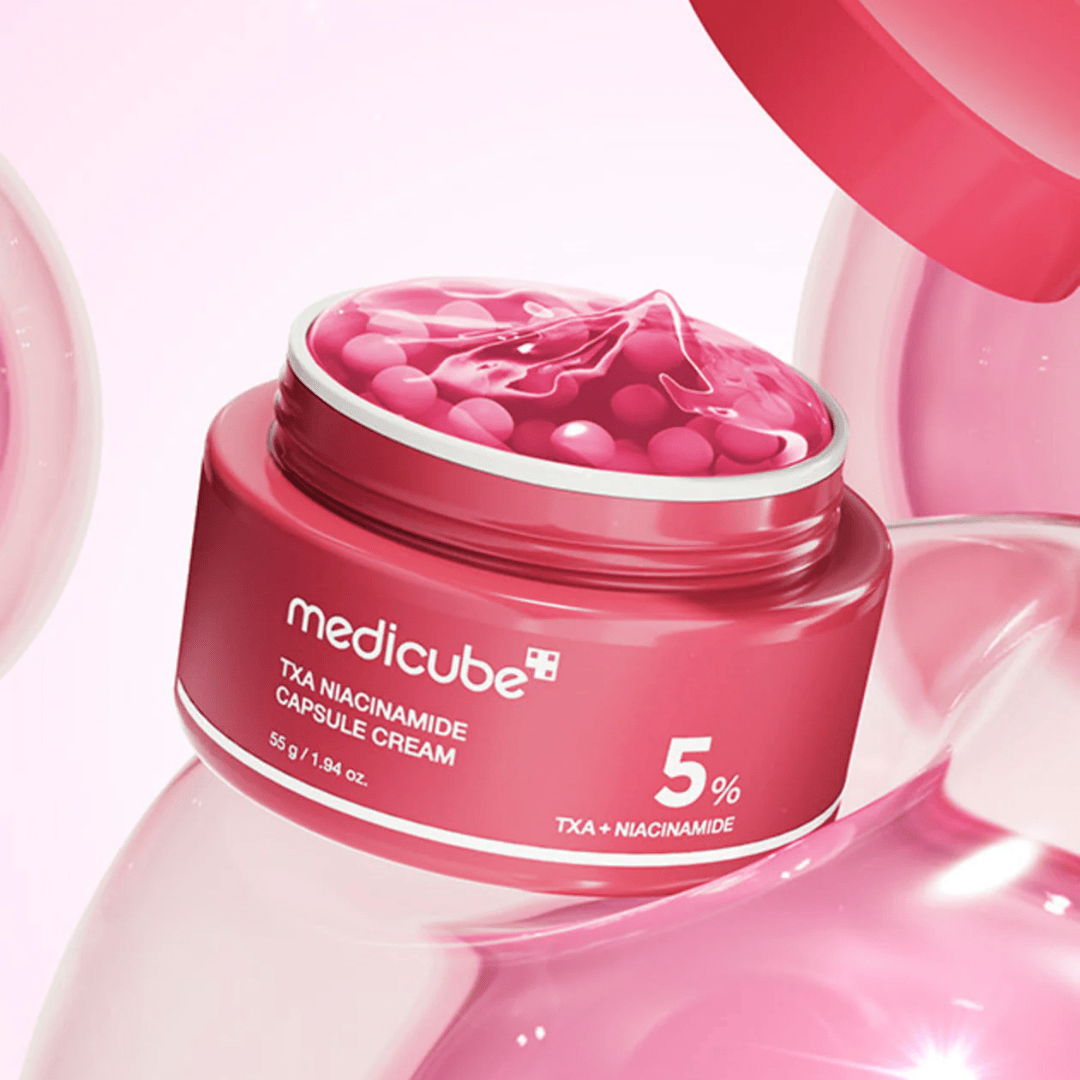
Tranexamic acid is a proven ingredient that fades hyperpigmentation, evens out skin tone, and helps restore your skin's natural radiance without bleaching your natural colour. Originally used in medicine, this powerhouse ingredient has made its way into skincare products because of its ability to target the root causes of discolouration. It works differently than other brightening ingredients, making it safe for all skin types, including sensitive skin.
Whether you're dealing with sun damage, post-acne marks, or melasma, tranexamic acid can help you achieve clearer, brighter skin. Understanding how to use it properly and which products to choose will help you get the best results for your skin concerns.
Key Takeaways
- Tranexamic acid effectively reduces dark spots and evens skin tone by targeting hyperpigmentation at its source
- This ingredient works well with other skincare actives like niacinamide and vitamin C for better results
- Products with 2-5% tranexamic acid are safe and effective when used consistently with proper sun protection
What Is TXA and How Does It Work?
Tranexamic acid blocks specific pathways that trigger excess pigmentation in your skin. This synthetic compound originally developed for medical bleeding control now offers targeted brightening benefits for hyperpigmentation and uneven skin tone.
The Science Behind Tranexamic Acid
Tranexamic acid is a synthetic derivative of the amino acid lysine. In skincare, it works by blocking plasmin activity in your skin cells. Plasmin activates melanocytes, which are the cells that produce melanin pigment.
When you apply TXA to your skin, it interrupts the communication between keratinocytes and melanocytes. This reduces the production of melanin at the source. The compound specifically targets the pathways that lead to dark spots and uneven pigmentation.
TXA works differently from other brightening ingredients because it addresses multiple pigmentation triggers. It reduces inflammation-induced pigmentation whilst also blocking UV-triggered melanin production. Your skin benefits from both preventative and corrective action against discolouration.
The molecule is small enough to penetrate your skin barrier effectively. This means it can reach the deeper layers where melanin production occurs.
Origins: Medical to Skincare Innovation
Doctors first used tranexamic acid in the 1960s to prevent excessive bleeding during surgery and trauma. The compound works in medicine by stabilising blood clots and preventing their breakdown. It remains widely used for heavy menstrual bleeding, postpartum haemorrhage, and trauma cases.
Japanese dermatologists discovered TXA's skin benefits by accident. They noticed patients taking oral tranexamic acid for bleeding disorders experienced improvements in melasma and hyperpigmentation. This observation led to decades of research into its cosmetic applications.
By the 1980s, oral TXA became an approved treatment for melasma in Japan. Skincare companies later developed topical formulations that deliver brightening benefits without systemic effects. Today, you can find TXA in serums, creams, and professional treatments designed specifically for skin concerns.
How TXA Supports Skin Brightening
TXA addresses uneven skin tone through multiple mechanisms. It reduces melanin production by up to 50% in treated areas. Your existing dark spots fade as cell turnover replaces pigmented cells with fresh, evenly-toned skin.
The compound particularly excels at treating melasma and post-inflammatory hyperpigmentation. These stubborn forms of discolouration often resist other brightening treatments. TXA's anti-inflammatory properties prevent new pigmentation from forming whilst existing patches lighten.
Key brightening benefits include:
- Reduced appearance of dark spots and patches
- More even overall skin tone
- Prevention of new hyperpigmentation
- Improved skin clarity and radiance
You' ll typically notice initial improvements within 4-8 weeks of consistent use. The brightening effects continue to develop over several months as your skin's pigmentation resets to a more balanced state.
Key Benefits of TXA for the Skin
Tranexamic acid offers targeted solutions for common skin concerns that affect your complexion. It works by blocking certain chemical processes in your skin that lead to dark spots, redness, and uneven tone, giving you visible improvements in how your skin looks and feels.
Fading Dark Spots and Pigmentation
TXA targets melanin production at the cellular level to fade dark spots effectively. When your skin produces too much melanin, you get visible pigmentation that shows up as darker patches or spots on your face and body.
The ingredient works particularly well on post-inflammatory hyperpigmentation (PIH), which appears after acne, injuries, or other skin inflammation. It blocks the plasmin enzyme that triggers melanocytes to produce excess pigment. This means existing dark spots fade while new ones are prevented from forming.
Clinical studies show noticeable fading within 8 to 12 weeks of consistent use. Post-acne marks respond especially well to TXA treatment because it addresses both the pigmentation and residual inflammation that keeps these marks visible.
You can use TXA in serums or creams applied twice daily for best results. The ingredient pairs well with sunscreen, which is essential because UV exposure will undo your progress.
Transforming Redness and Sensitive Skin
Your skin's redness often comes from inflammation and broken capillaries near the surface. TXA reduces this inflammation by calming the chemical reactions that cause blood vessels to dilate and leak.
For sensitive skin, TXA offers gentle brightening without the harsh effects of stronger acids or retinoids. It strengthens your skin barrier by reducing inflammatory responses that weaken protective layers. This makes your skin less reactive to environmental triggers like pollution, temperature changes, and irritants.
Redness from rosacea, general sensitivity, or post-procedure healing improves with regular TXA use. The ingredient doesn't strip or irritate your skin like some brightening treatments do.
You'll notice calmer, more comfortable skin within 4 to 6 weeks. Your skin becomes more resilient against daily stressors that previously caused flare-ups or irritation.
Addressing Melasma and Sun Spots
Melasma creates brown or grey-brown patches on your face, typically on your cheeks, forehead, and upper lip. It's triggered by hormones, UV exposure, and heat. TXA is one of the most effective ingredients for this stubborn condition.
The ingredient blocks the pathway between UV light and pigment-producing cells. This means sun damage doesn't translate into visible dark patches as easily. Sun spots (also called solar lentigines) respond similarly because they share the same UV-triggered mechanism.
For melasma, dermatologists often recommend both topical TXA products and injectable forms for severe cases. The combination approach gives better results than either method alone.
You need strict sun protection when treating melasma and sun spots with TXA. Use SPF 50+ broad-spectrum sunscreen daily, even on cloudy days. Without this protection, your pigmentation will return quickly.
Restoring Your Natural Glow and Even Tone
Uneven tone makes your skin look dull and tired because light reflects differently off areas with varying pigmentation levels. TXA creates a more uniform surface by reducing these pigmentation differences across your face.
Your natural glow returns when your skin tone evens out. Light bounces off your face more consistently, creating that healthy radiance people associate with good skin health.
TXA works gradually to improve overall skin quality, not just specific spots. Your entire complexion becomes brighter and clearer over time. The ingredient also reduces the appearance of shadows and dullness caused by accumulated pigmentation.
You should use TXA for at least 12 weeks to see full brightening effects. Maintenance use keeps your results stable and prevents new pigmentation from developing. Your skin looks healthier and more vibrant without appearing artificially lightened.
TXA in Your Skincare Routine
Adding tranexamic acid to your routine requires simple timing and smart layering—use it consistently, pair it with broad-spectrum SPF 30 or higher, and start gently if you have reactive skin.
Best Practices for Using Tranexamic Acid
Apply your tranexamic acid serum after cleansing and toning, when your skin is clean and slightly damp. Most people can use it once daily without issue. If you have sensitive skin, start with three to four nights per week and gradually increase as your skin adjusts.
Consistency matters more than intensity. You'll likely see visible brightening in 6 to 12 weeks, provided you wear sunscreen every day. Without daily SPF 30 or higher, UV exposure can trigger new pigmentation faster than TXA can fade it.
Store your serum in a cool, dark place. While TXA is relatively stable, heat and light can degrade active ingredients over time.
Morning and Evening Applications
Morning use: Apply tranexamic acid serum after cleansing, follow with moisturiser, then finish with broad-spectrum SPF 30 or higher. This sequence protects your brightening routine from UV damage throughout the day.
Evening use: Cleanse first, apply your tranexamic acid serum, then layer your moisturiser. If you use a retinoid, apply TXA first, add a thin layer of moisturiser as a buffer, then apply your retinoid.
You can use TXA morning or night—or both if your skin tolerates it. Evening application works well if you rotate other actives like AHAs or BHAs on alternate nights.
Layering with Other Actives
Tranexamic acid pairs well with most actives when layered correctly:
- With vitamin C: Use vitamin C in the morning for antioxidant protection, then apply TXA. Both target brightness through different pathways.
- With niacinamide: These two work together without conflict. Layer TXA first, then niacinamide or a formula that contains both.
- With retinoids: Apply TXA, add moisturiser, then retinoid. This reduces irritation while preserving efficacy.
- With AHAs/BHAs: Alternate nights rather than stacking. Use gentle brightening with TXA on one night, exfoliating acids on another.
Avoid overloading your skin. If you notice redness or flaking, reduce the frequency or simplify your routine.
Patch Testing and Side Effect Minimisation
Before full-face application, conduct a patch test. Apply a small amount of tranexamic acid serum to your inner forearm or behind your ear. Wait 24 to 48 hours and check for redness, itching, or irritation.
Common side effects are rare but can include mild dryness or temporary redness. If this occurs, reduce application frequency and pair with a gentle, ceramide-rich moisturiser.
Stop use if you experience persistent burning, swelling, or a rash, and consult your dermatologist. Most people tolerate TXA well, but reactive skin may need a slower introduction or lower concentration.
Always wear sunscreen during the day when using any brightening active. UV exposure undermines your progress and can worsen pigmentation.
Powerful Ingredient Pairings for Enhanced Results
Tranexamic acid works well on its own, but combining it with specific actives can boost its brightening effects and improve overall skin health. The key is understanding which ingredients enhance TXA's benefits and which combinations require careful timing to avoid irritation.
Pairing TXA with Niacinamide
Niacinamide (vitamin B3) pairs exceptionally well with tranexamic acid. While TXA blocks melanin production by inhibiting plasminogen activation, niacinamide prevents melanin transfer from pigment cells to skin cells. This dual approach tackles hyperpigmentation from two different angles.
A concentration of 3-5% niacinamide alongside TXA creates a powerful brightening combination. This pairing also strengthens your skin barrier and reduces inflammation, which helps prevent new dark spots from forming. The two ingredients are pH-compatible and stable together in formulations.
You can apply them at the same time without concerns about irritation. Many brightening creams now combine both ingredients because they work synergistically without compromising each other's effectiveness.
Synergy with Vitamin C and Antioxidants
Vitamin C complements TXA by neutralising free radicals that trigger pigmentation. When you use both ingredients, vitamin C brightens existing spots while providing antioxidant protection against future damage. However, these ingredients work best when applied at different times due to pH differences.
Apply vitamin C in the morning and TXA in the evening for optimal results. L-ascorbic acid requires a lower pH (around 3.5) to remain stable, whilst TXA tolerates a wider pH range.
Kojic acid is another brightening agent that pairs well with TXA. It inhibits tyrosinase, the enzyme responsible for melanin production, adding another layer of pigmentation control to your routine.
Combining TXA with Hydrators and Soothing Agents
Hyaluronic acid enhances TXA's absorption and keeps your skin hydrated during treatment. It doesn't interfere with TXA's brightening action but ensures your skin barrier remains healthy throughout the process.
Centella asiatica (also called cica) soothes inflammation and supports skin repair. Since hyperpigmentation often results from inflammatory responses, centella helps prevent post-inflammatory marks whilst TXA fades existing ones.
These hydrating and calming ingredients create a supportive environment for TXA to work effectively. They reduce the risk of irritation and help maintain skin health during your brightening journey.
Ingredients to Use with Caution
Retinoids and TXA can work together, but introduce them slowly. Both are powerful actives that may cause sensitivity when combined too quickly. Start by using retinoids twice weekly and TXA on alternate nights, then gradually increase frequency as your skin adapts.
AHAs and BHAs require similar caution. Acids like lactic acid (an AHA) and salicylic acid (a BHA) exfoliate skin and can enhance TXA penetration, but they also increase irritation risk. Use these acids in the morning and TXA at night, or alternate days entirely.
Copper peptides may reduce TXA's stability in some formulations. If you use copper tripeptide products, apply them at different times of day or on separate occasions to maintain each ingredient's effectiveness.
Choosing the Right TXA Products for Your Skin
TXA products come in various forms and strengths, from lightweight serums to rich creams, with concentrations typically ranging from 2% to 10% tranexamic acid. Your skin type, specific concerns, and tolerance levels will determine which formulation works best for you.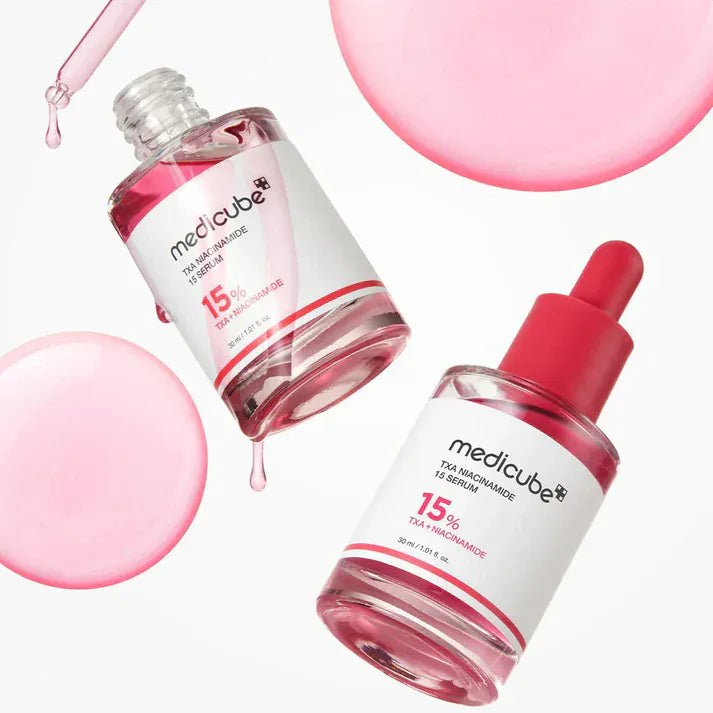
Serums, Creams, and Treatment Formulations
Serums offer the most concentrated delivery of tranexamic acid. They have a lightweight texture that absorbs quickly into your skin. Most TXA serums contain between 2% and 5% of the active ingredient, making them suitable for daily use.
A glow serum with TXA typically pairs the ingredient with complementary actives like niacinamide or vitamin C. These combinations target multiple skin concerns at once. The thin consistency allows the product to penetrate deeply and work effectively on dark spots.
Creams and moisturisers provide a gentler approach. They're ideal if you have dry or sensitive skin that needs extra hydration alongside brightening benefits. A brightening cream with TXA delivers the active ingredient in a more cushioned base, which reduces the risk of irritation.
Treatment formulations like masks or spot treatments offer targeted application. You can use these products on specific areas of concern rather than your entire face. They often contain higher concentrations for more intensive results over shorter periods.
Selecting Strengths: 10% and Other Potencies
Products with 10% tranexamic acid represent the higher end of available concentrations. These formulations deliver faster, more visible results but require careful introduction into your routine. Start with once-daily application to assess your skin's tolerance.
Lower concentrations between 2% and 5% work well for beginners or those with sensitive skin. These gentler formulations still provide effective brightening but with reduced risk of irritation. You can safely use them twice daily in most cases.
Mid-range products at 5% to 7% offer a balance between efficacy and tolerability. They suit most skin types and concerns, particularly if you're dealing with moderate hyperpigmentation or post-inflammatory marks.
Your skin's response should guide your choice of strength. Begin with a lower concentration and gradually increase if needed. Results typically appear within 4 to 8 weeks of consistent use, regardless of the potency you choose.
TXA for Different Skin Types
Acne-prone skin benefits significantly from TXA's gentle brightening action. The ingredient fades post-inflammatory hyperpigmentation without aggravating active breakouts. Choose oil-free, non-comedogenic formulations to avoid clogging your pores.
Sensitive skin types should opt for products that combine TXA with soothing ingredients like centella asiatica or allantoin. These additions help maintain your skin barrier whilst addressing pigmentation concerns. Patch testing remains essential before full-face application.
Oily skin responds well to lightweight serum formulations. These absorb quickly without leaving a greasy residue. Look for products that include mattifying ingredients alongside TXA for better texture control.
Dry or mature skin needs cream-based TXA products with added hydrators. Ingredients like hyaluronic acid, ceramides, or peptides provide moisture whilst the TXA works on evening your skin tone. These richer textures prevent the dryness that can sometimes occur with active treatments.
Expert Insights and Brand Innovations
Board-certified dermatologists recommend starting TXA products slowly, particularly when combining them with other actives. Dr Dara Spearman notes that TXA pairs well with niacinamide, vitamin C, and kojic acid but cautions against layering too many actives simultaneously.
Product innovations include time-release technologies that deliver TXA gradually throughout the day. These formulations reduce potential irritation whilst maintaining consistent active levels in your skin. Some brands also add exfoliating acids like glycolic acid to enhance penetration and results.
Multi-tasking products continue to gain popularity. Serums that blend TXA with azelaic acid, for example, address both pigmentation and texture concerns in one step. These combinations save time whilst delivering comprehensive skin improvements.