
Is SK-II Worth It in 2026? Honest K-Beauty Comparison
Share
SK-II built its reputation on one ingredient — Pitera, a fermented yeast filtrate discovered decades ago in a sake brewery — and that story alone convinces plenty of shoppers to add the Facial Treatment Essence to cart. Whether it's actually worth it in 2026 comes down to what you're paying for versus what you can get from Korean fermented and peptide formulas at a fraction of the shelf commitment.
SK-II is worth it if you want a prestige, fermentation-based essence with decades of brand research behind it — it's not worth it if you're chasing the Pitera ingredient story on a budget, because several Korean brands build comparable fermented, peptide and PDRN formulas without the department-store markup. The catch SK-II's marketing rarely leads with: Pitera-heavy formulas can trigger a short purge phase for new users as skin adjusts, and that's true of most concentrated fermentation actives, not just this one.
- SK-II's Pitera essence is worth it for fermentation-ingredient loyalists chasing barrier support and brightening in 2026.
- Budget-conscious buyers get comparable results from K-beauty niacinamide, PDRN and peptide serums.
- Pitera can cause a short purge phase for some first-time users before skin adjusts.
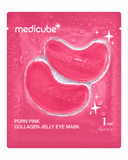
- AU Beauty Bazaar carries Anua and Medicube formulas built on the same fermented and peptide science.
Why This Matters
SK-II sits in the same conversation as La Mer and Sulwhasoo — brands where you're paying for research history and packaging as much as the formula itself. That's a legitimate reason to buy in 2026 if the ritual and the brand story matter to you.
It's a bad reason to buy if your actual goal is brighter, firmer, more even-toned skin and you're open to sourcing the same active categories — fermented filtrates, niacinamide, PDRN, peptides — from brands that don't carry the same retail overhead. That's the real decision point behind "is SK-II worth it," not the ingredient itself.
Is SK-II Worth It in 2026?
The honest answer requires comparing what SK-II's Pitera essence actually does against Korean alternatives targeting the same skin concerns: brightening, barrier repair and early fine lines.
| Product | Key Ingredient | Best For | Verdict | |---|---|---| | SK-II Facial Treatment Essence | Pitera (fermented yeast filtrate) | Brightening and barrier support, brand-loyal users | Buy if budget isn't the deciding factor | | Anua Niacinamide 10% + TXA 4% Dark Spot Correcting Serum | Niacinamide + tranexamic acid | Dark spot correction on a tighter routine | Buy | | Medicube Collagen PDRN Pink Peptide Serum | PDRN + peptides | Firming and collagen support | Buy |
SK-II wins on brand heritage and decades of fermentation research. The K-beauty picks win on ingredient concentration transparency — Anua and Medicube list active percentages on the front label, which SK-II's essence does not.
What Pitera Actually Does
Pitera is a byproduct of sake fermentation containing amino acids, vitamins, minerals and organic acids. SK-II has built its entire General Line around this single filtrate since the brand's founding, positioning it as a skin-conditioning agent rather than a targeted active like retinol or vitamin C.
That's the core trade-off: Pitera is a broad conditioning ingredient, not a spot-treatment active. If your main concern is dark spots or visible collagen loss, a formula built around niacinamide, tranexamic acid or PDRN targets that concern more directly than a general fermentation filtrate does.
Why SK-II's Price Point Sits Where It Does
- Decades of proprietary fermentation R&D baked into every bottle, which is a genuine cost driver, not just marketing.
- Department-store and prestige-counter distribution, which adds retail overhead that direct-to-consumer K-beauty brands skip.
- Global marketing and celebrity endorsement budgets, standard for legacy Japanese prestige skincare.
- Import duties and freight for Australian buyers, since SK-II is manufactured and shipped internationally.
- Packaging and glass-bottle costs, which stay consistent across the entire General Line rather than varying by formula strength.
None of these factors make the formula better at treating pigmentation or firmness than a targeted Korean serum — they explain the price gap, not the results gap.
Compare K-beauty alternatives
Browse fermented, PDRN and peptide formulas built for brightening and firmness.
Is SK-II Good for Acne-Prone Skin?
SK-II can work for acne-prone skin, but the initial purge phase common with fermentation actives makes it a slower commitment than a targeted niacinamide serum. Users with reactive or breakout-prone skin often see faster, more predictable results from a lighter-weight brightening serum layered under a barrier-focused moisturiser.
What's the Difference Between SK-II and K-Beauty Essences?
SK-II's essence centres on Pitera alone, while most K-beauty essences and serums layer multiple named actives — PDRN, niacinamide, centella, peptides — at labelled concentrations. That labelling difference is why K-beauty formulas are easier to match to a specific skin concern rather than a general conditioning goal.
Does SK-II Work as Well as Korean Fermented Skincare?
SK-II's Pitera formula performs comparably to other fermented Korean skincare for general skin conditioning, but it doesn't out-perform targeted actives like PDRN for firmness or niacinamide for pigmentation. The fermentation category itself isn't exclusive to SK-II — Korean brands have built entire 2026 lineups around the same filtrate science with added targeted actives layered in.
If you're testing the fermentation category without committing to SK-II's price bracket, AU Beauty Bazaar's Korean skincare range covers the same ground with PDRN and peptide formulas that state their active percentages on the label — a detail worth checking before you buy anything marketed as "fermented" in 2026.
FAQ
Is SK-II worth it in 2026?
SK-II is worth it if you want a prestige fermentation-based essence with decades of research behind it, but budget-focused buyers get comparable brightening and barrier results from K-beauty niacinamide and PDRN serums at a lower cost.
What does Pitera do for skin?
Pitera is a fermented yeast filtrate containing amino acids, vitamins and minerals that SK-II uses as a general skin-conditioning ingredient across its entire product line, aimed at brightening and barrier support rather than one specific concern.
Does SK-II cause purging?
SK-II's Pitera-heavy formulas can cause a short purge phase for some first-time users as skin adjusts to the concentrated fermentation filtrate, similar to other strong fermented actives.
Is SK-II better than Korean skincare?
SK-II isn't objectively better than Korean skincare — it wins on brand heritage and broad conditioning, while targeted K-beauty formulas with niacinamide, PDRN or peptides often address specific concerns like pigmentation or firmness more directly.
What can I use instead of SK-II essence?
Anua's niacinamide and tranexamic acid serum and Medicube's PDRN peptide serum target the same brightening and firming goals as SK-II's essence, with active percentages listed on the label.
Is SK-II good for sensitive skin?
SK-II can suit sensitive skin once past the initial adjustment period, but fermentation-heavy formulas are worth patch-testing first, the same precaution that applies to any concentrated Korean fermented serum.
How long does it take to see results from SK-II?
Most fermentation-based essences, SK-II included, require consistent use over several weeks before brightening or texture changes become visible, which is standard for conditioning actives rather than fast-acting exfoliants.
One Last Thing
The ingredient science behind Pitera predates the current K-beauty wave by decades, but the market has shifted toward faster-absorbing PDRN and peptide serums that layer more easily under makeup — a trend Korean brands built their 2026 lineups around. If brightening and barrier repair are the actual goal rather than the brand story, start with the active, not the label.