


Centella Asiatica Benefits 🌿 Why It’s the Ultimate Skin Barrier Repair Ingredient
Centella Asiatica has earned its reputation as one of the most reliable ingredients for skin barrier repair. This small herb, also called Cica or Gotu Kola, has been used for centuries in traditional medicine to heal wounds and calm irritated skin.
Today, it's a staple in skincare products because it actively helps your skin repair itself, reduce redness, and retain moisture.

What makes Centella Asiatica so effective is its unique blend of active compounds called triterpenoids, including madecassoside, asiaticoside, asiatic acid, and madecassic acid. These work together to strengthen your skin barrier, calm inflammation, and boost collagen production.
These compounds support your skin's natural healing processes and improve hydration by reducing water loss.
Whether you're dealing with sensitivity, dryness, redness, or the effects of harsh actives like retinol and acids, Centella Asiatica offers a gentle yet powerful solution. It's suitable for all skin types and has a low risk of irritation.
Key Takeaways
- Centella Asiatica repairs the skin barrier by reducing water loss and supporting natural healing processes
- Its active compounds calm redness, boost collagen, reduce pigmentation, and protect against environmental damage
- It's safe for all skin types and works well with other actives like retinol, vitamin C, and acids
Why Centella Asiatica Is the Ultimate Skin Barrier Repair Ingredient
Centella asiatica strengthens your skin's protective barrier through four key compounds that work together to reduce moisture loss. These active components provide antioxidant protection whilst supporting your skin's natural healing processes.
Understanding the Skin Barrier
Your skin barrier is the outermost layer of your skin that acts as a shield against environmental damage, bacteria, and moisture loss. It's made up of skin cells held together by lipids that form a protective seal.
When this barrier is damaged, your skin becomes dry, sensitive, and more prone to irritation. A compromised barrier shows up as redness, flaking, tightness, and increased sensitivity to products you normally tolerate.
Common causes include harsh products, over-exfoliation, environmental stress, and certain skin conditions. Your barrier needs specific support to repair itself properly.
How Centella Asiatica Supports Barrier Function
Centella asiatica works by boosting collagen production in your skin, which helps rebuild the structural foundation of your barrier. This process strengthens the connections between skin cells and improves your skin's ability to hold onto moisture.
The plant extract also reduces inflammation that can weaken your barrier over time. By calming reactive skin, it creates the right environment for repair to happen naturally.
Studies show that consistent use improves hydration levels and reduces trans-epidermal water loss. Your barrier becomes more resilient with regular centella asiatica use.
The ingredient helps restore the lipid balance that keeps your skin sealed and protected. This makes it particularly useful for skin recovering from damage or dealing with chronic sensitivity.
Key Compounds Responsible for Barrier Repair
Four main compounds drive centella asiatica's barrier repair abilities: madecassoside, asiaticoside, asiatic acid, and madecassic acid. Madecassoside delivers strong anti-inflammatory effects that calm irritated skin and reduce redness.
Asiaticoside promotes collagen synthesis, which is essential for rebuilding damaged barrier structures. Asiatic acid provides antioxidant protection against free radicals that break down your barrier over time.
It also supports wound healing and skin cell regeneration. Madecassic acid works alongside these compounds to enhance overall barrier repair and reduce inflammation.
These four compounds work together rather than separately. The synergy between them addresses multiple aspects of barrier damage at once.
Core Skin Benefits of Centella Asiatica
Centella asiatica delivers measurable skin improvements through its active compounds—asiaticoside, madecassoside, asiatic acid, and madecassic acid. These work together to hydrate, calm, repair, and protect your skin barrier.
Hydration and Moisture Retention
Centella asiatica helps your skin hold onto water more effectively. It supports the production of hyaluronic acid in your skin cells, which directly improves skin hydration levels.
The herb also strengthens the outer layer of your skin by encouraging ceramide synthesis. Ceramides are lipids that form a protective barrier, preventing water loss throughout the day.
When this barrier works properly, your skin stays plump and moisturised without feeling heavy or greasy. This makes centella particularly useful if you have dehydrated skin that produces excess oil to compensate.
The ingredient provides hydration whilst supporting your skin's natural moisture balance. You don't get that tight, dry feeling followed by an oily T-zone.
Soothing Sensitive and Irritated Skin
If you deal with sensitive skin or acne-prone skin, centella asiatica offers relief without triggering further reactions. Its natural anti-inflammatory compounds calm irritation quickly and gently.
The madecassoside in centella specifically targets irritated nerve endings in your skin. This soothes irritation at the source rather than just masking symptoms.
You'll notice less stinging, burning, or discomfort when you apply products containing this ingredient. Centella works well after using active ingredients like retinoids or acids.
It helps settle any resulting redness or sensitivity whilst your skin adjusts. Many people use it as a recovery product between stronger treatments, giving their skin a break without losing momentum in their routine.
Reducing Redness and Inflammation
Centella's anti-inflammatory properties make it effective at tackling visible redness. The asiatic acid component blocks inflammatory pathways in your skin, which helps reduce redness within hours of application.
Studies show that centella can reduce inflammation markers in skin cells by up to 40%. This isn't just surface-level improvement—it addresses the underlying causes of chronic redness and flushing.
If you have rosacea, reactive skin, or post-acne marks, centella reduces inflammation without the side effects of harsher treatments. It's gentle enough for daily use but strong enough to show results within a few weeks of consistent application.
Wound Healing and Recovery
Centella asiatica has been used for wound healing in traditional medicine for centuries, and modern research confirms why. It increases collagen production by stimulating fibroblast proliferation—the cells responsible for creating new skin tissue.
The asiaticoside in centella speeds up wound healing by up to 30% compared to untreated skin. It also helps wounds close more neatly, reducing the appearance of scars and marks over time.
Beyond collagen synthesis, centella provides antioxidant protection during the healing process. This shields vulnerable new skin cells from free radical damage, allowing them to develop properly.
Your skin recovers faster and looks healthier as a result.
Active Compounds: What Makes Centella Asiatica So Effective?
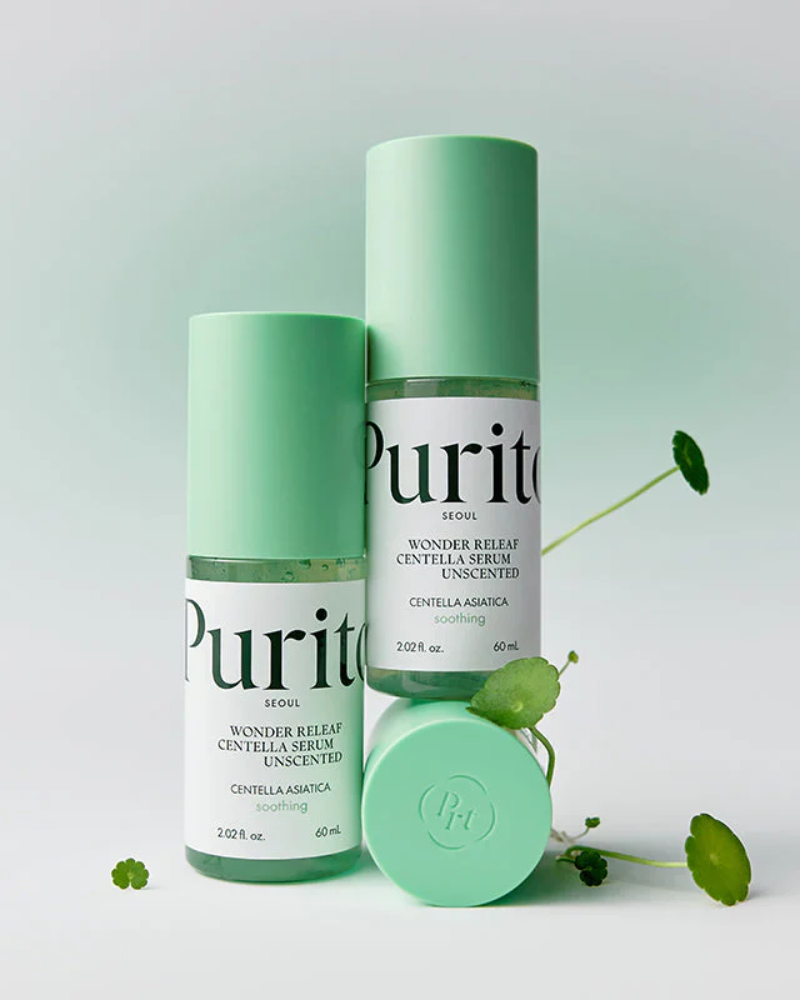
Centella asiatica owes its skin-repairing power to four main pentacyclic triterpenoids: madecassoside, asiaticoside, asiatic acid, and madecassic acid. These active compounds work together to strengthen your skin barrier, boost collagen production, and protect against environmental damage.
Madecassoside: The Healing Star
Madecassoside is one of the most studied compounds in centella asiatica. This triterpenoid saponin works by reducing inflammation in your skin at a cellular level.
Research shows madecassoside decreases the expression of TLR2 and blocks NF-κB nuclear translocation in skin cells. In simpler terms, it stops inflammatory signals before they can damage your skin barrier.
This makes it particularly effective for calming irritated or reactive skin. When you apply products containing madecassoside, you're also supporting your skin's moisture barrier function.
The compound helps reinforce the protective outer layer of your skin, which prevents water loss and keeps irritants out. Studies have tested madecassoside at concentrations up to 500 μM in cell cultures, showing significant anti-inflammatory effects without causing cellular damage.
Asiaticoside and Collagen Boosting
Asiaticoside directly stimulates collagen synthesis in your skin. This matters because collagen is the structural protein that keeps your skin firm and helps wounds heal properly.
In burn wound studies, asiaticoside at just 0.5 μl concentration increased both collagen production and cell proliferation. The compound works by activating fibroblasts, the cells responsible for making new collagen fibres.
You'll find asiaticoside particularly helpful if you're dealing with scarring or skin damage. It accelerates the healing process by promoting tissue regeneration and improving the quality of new skin formation.
The compound also works alongside madecassoside to enhance overall wound contraction and closure rates.
Asiatic Acid and Antioxidant Defence
Asiatic acid provides antioxidant protection for your skin cells. This aglycone form of asiaticoside fights free radical damage that breaks down collagen and accelerates skin ageing.
The compound also offers anti-inflammatory benefits similar to madecassoside. In respiratory studies, asiatic acid showed protective effects against tissue damage, and these same mechanisms apply to skin protection.
Asiatic acid works together with madecassic acid (the aglycone of madecassoside) to create a complete defence system for your skin. While madecassic acid receives less research attention, it contributes to the overall therapeutic effect of centella asiatica extracts.
Both compounds support skin barrier repair by reducing oxidative stress and inflammation.
Centella Asiatica in Skincare: Traditions, Science and K-Beauty
This plant has moved from ancient healing texts into modern serums and creams, particularly through K-Beauty's influence. The journey from traditional medicine to global skincare staple reveals how centuries-old wisdom now meets scientific validation.
Traditional and Historical Uses
Centella asiatica appears in traditional medicine systems under several names: gotu kola in Ayurveda, tiger grass in Asian folklore, and Indian pennywort across various cultures. Ancient practitioners used the plant for wound healing and skin conditions centuries before modern research.
Chinese and Ayurvedic pharmacopeia documented centella asiatica's role in treating burns, ulcers, and skin injuries. The nickname "tiger grass" comes from the observation that wounded tigers would roll in the plant to heal their injuries.
Traditional preparations included fresh leaves applied directly to wounds or dried extracts mixed into poultices. Healers recognised the plant's ability to speed up healing and reduce scarring, though they didn't understand the molecular mechanisms behind these effects.
Rise in Modern Skincare and K-Beauty
K-Beauty brands brought centella asiatica into mainstream skincare during the 2010s. Korean formulators created cica creams—products centred around centella asiatica extract designed specifically for sensitive and damaged skin.
These products proved particularly popular for post-procedure care and reactive skin. The Korean skincare industry refined extraction methods to isolate key compounds like asiaticoside and madecassoside, increasing the plant's effectiveness.
Cica became shorthand for calming, barrier-repairing products. K-Beauty's focus on gentle, layered routines made centella asiatica a natural fit for serums, essences, and recovery creams that support skin health without irritation.
How to Use Centella Asiatica for Optimal Results
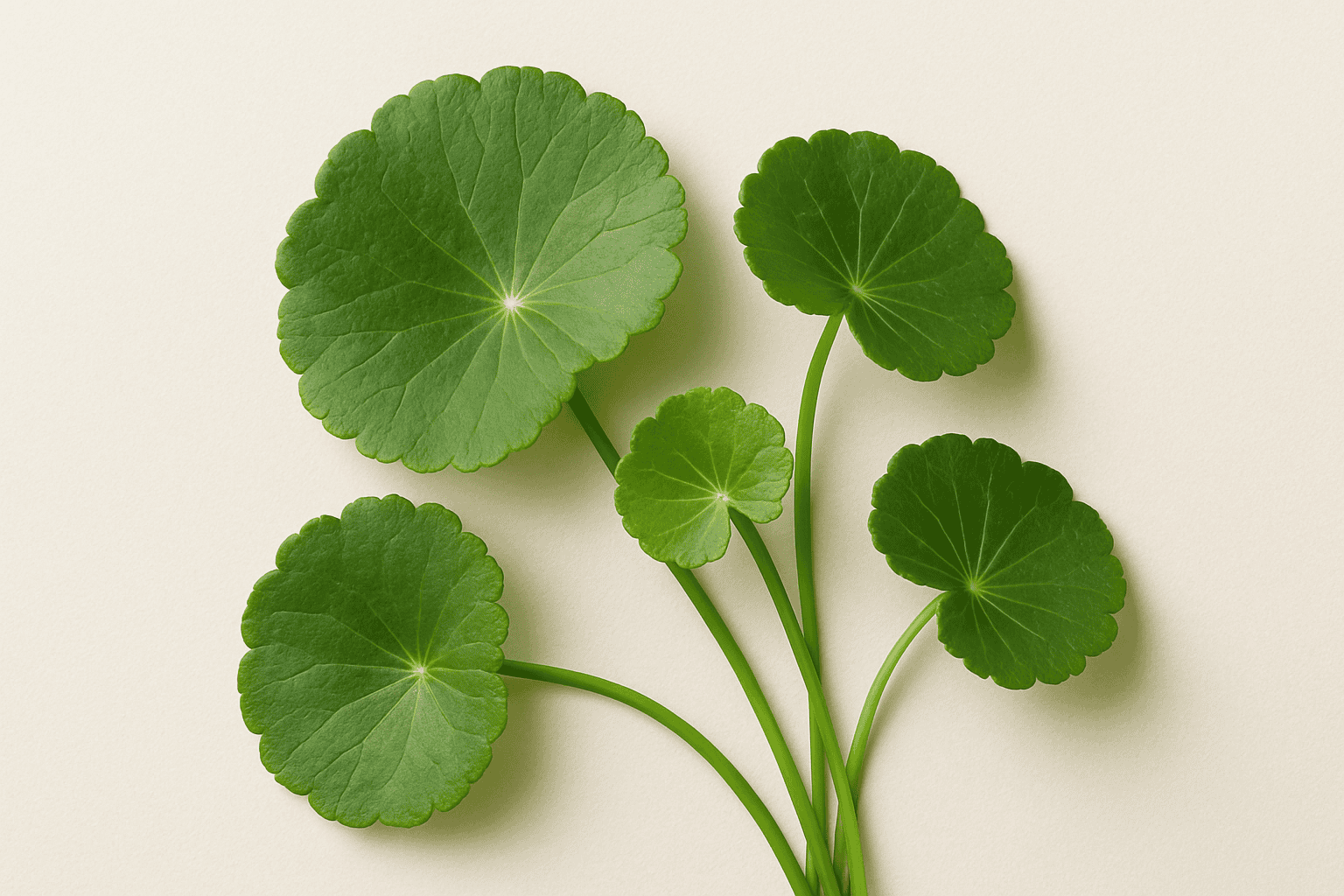
Centella asiatica works best when you select products with effective formulations and incorporate them consistently into your daily skincare routine. The ingredient is generally safe for most skin types, though some considerations apply.
Choosing the Right Centella Asiatica Products
Look for products that list centella asiatica, asiaticoside, madecassoside, or asiatic acid within the first five ingredients. These active compounds deliver the wound healing and barrier repair benefits.
Cica creams are popular options that typically contain high concentrations of centella extract. They work well for dry or compromised skin barriers.
Serums offer lighter textures whilst still providing concentrated doses of the ingredient. You can also find centella in cleansers, toners, and sheet masks.
Products combining centella with niacinamide, ceramides, or hyaluronic acid often enhance barrier repair effects. Avoid formulations with high percentages of alcohol or harsh actives that might counteract centella's soothing properties.
Check for products in opaque or dark packaging. This protects the active compounds from degrading due to light exposure.
Integrating Into Your Skincare Routine
Apply centella asiatica products after cleansing but before heavier moisturisers. If using a serum, apply it to slightly damp skin for better absorption.
Follow with a cica cream if your skin needs extra barrier support. You can use centella products twice daily, morning and evening.
The ingredient pairs well with most other skincare actives. It's particularly helpful after using retinoids, acids, or following sun exposure that might irritate skin.
For photoaged skin, combine centella products with SPF during the day. The ingredient supports collagen synthesis whilst sunscreen prevents further damage.
Layer your centella serum or toner beneath your moisturiser and sunscreen each morning. Start with one centella product and gradually add more if desired.
Safety, Suitability and Precautions
Centella asiatica is safe for use across most skin types, including sensitive and acne-prone skin. The Cosmetic Ingredient Review Expert Panel has determined it safe for use in cosmetics at current concentrations.
Allergic reactions are rare but possible. Test new products on a small patch of skin before full application.
Wait 24 hours to check for any irritation or redness. Pregnant or breastfeeding individuals should consult healthcare providers before using concentrated centella supplements, though topical cosmetic use is generally considered low risk.
If you have scheduled surgery, speak with your doctor as oral centella supplements may affect healing, though topical application differs. People with ragweed allergies should introduce centella products cautiously.
Stop use if you experience persistent redness, itching, or other unusual reactions.
Beyond Barrier Repair: Additional Benefits and Frequently Noted Effects
Centella asiatica supports collagen production in ageing skin, helps fade post-inflammatory marks, and works across multiple skin types due to its gentle yet effective properties.
Supporting Collagen and Youthful Skin
Your skin's collagen production naturally slows as you age. Centella asiatica contains active compounds that support collagen synthesis, helping maintain skin firmness and elasticity.
The herb stimulates fibroblast cells in your skin. These cells are responsible for creating new collagen and other structural proteins.
Research shows that centella's triterpenoids (asiaticoside, madecassoside, asiatic acid, and madecassic acid) directly influence this process. You'll find this benefit particularly useful for addressing fine lines and maintaining skin structure.
The ingredient doesn't work overnight, but consistent use helps your skin maintain its youthful appearance through improved collagen support.
Managing Post-Inflammatory Marks and Pigmentation
Centella asiatica helps reduce the appearance of marks left behind after breakouts or skin irritation. It doesn't bleach your skin but supports the natural healing process that fades discolouration over time.
The ingredient works by calming inflammation that can trigger excess pigment production. When your skin experiences irritation, it often responds by creating more melanin.
Centella asiatica soothes irritation and helps minimise this response.
Key benefits for pigmentation:
- Reduces redness from active inflammation
- Supports even skin tone development
- Provides antioxidant protection against environmental damage
The antioxidant properties also protect your skin from free radicals that contribute to uneven pigmentation and premature ageing.
Versatility for Different Skin Types
You can use centella asiatica regardless of your skin type. Its gentle nature makes it suitable for sensitive, oily, dry, and combination skin.
Sensitive skin benefits from its calming properties without risk of irritation. Oily and acne-prone skin appreciates its anti-inflammatory effects.
Dry skin gets soothing support. The ingredient rarely causes reactions, which is why you'll see it in products marketed to people with reactive or compromised skin.
It's safe to use alongside most other skincare ingredients, including acids and retinoids. Brands like Purito, Beauty of Joseon, and Skin1004 at AU Beauty Bazaar feature centella asiatica in many of their popular formulas.