

Passport, Plane Ticket, Protection: The AU Beauty Bazaar Travel SPF Edit
Travelling exposes your skin to different climates, higher UV levels at various altitudes, and extended outdoor time. Whether you're heading to tropical beaches, exploring cities, or hiking in the mountains, protecting your skin from sun damage should be a top priority.
AU Beauty Bazaar offers a carefully curated selection of travel-friendly SPF products that combine Korean skincare innovation with practical formats perfect for life on the go.

The best sunscreens for travel need to work across different conditions whilst fitting easily into your luggage. You need formulas that won't leak, products that layer well under makeup, and options that suit your specific skin type and activities.
From lightweight sun sticks to water-resistant beach formulas, the right SPF can make the difference between enjoying your trip and dealing with painful sunburn. Australian standards for sun protection are among the strictest in the world, which means understanding proper SPF use matters even more when you're travelling.
This guide walks you through the best SPF options available at AU Beauty Bazaar, helping you choose products that protect your skin effectively without weighing down your travel routine.
Key Takeaways
- Travel-friendly SPF products should offer broad-spectrum protection whilst being compact and suitable for various climates and activities.
- Korean sunscreen formulations combine effective UV protection with skin-nourishing ingredients like rice extract and probiotics in lightweight textures.
- Proper SPF application requires reapplying every two hours during outdoor activities and choosing different formulas for face versus body protection.
Why SPF Is Essential When Travelling

Your skin faces different UV challenges when you travel compared to staying home. UV radiation intensity varies dramatically between destinations, and changes in altitude, climate and activity levels all increase your sun protection needs.
The Dangers of UV Exposure on Holiday
UV radiation damages your skin cells even when you don't see or feel it happening. The harm builds up over time and leads to premature ageing, dark spots and skin cancer risk.
Holiday activities expose you to more UV than your regular routine. You spend longer outdoors at beaches, pools and sightseeing spots.
Water reflects up to 80% of UV rays back onto your skin, and sand reflects about 25%. Your skin health depends on consistent protection.
A single severe sunburn during travel increases your melanoma risk. UV damage also weakens your skin's natural barrier, which affects your overall wellness by making skin more vulnerable to infection and dehydration.
Differences in Sun Intensity Across Destinations
The sun's strength changes based on where you travel. Tropical destinations near the equator receive more direct UV rays year-round.
High-altitude locations expose you to 10-12% more UV radiation for every 1,000 metres above sea level. Australia has some of the highest UV levels globally, but northern hemisphere destinations during summer can match or exceed these levels.
Desert climates deliver intense UV exposure due to clear skies and reflective sand surfaces. Time of day matters too.
UV radiation peaks between 10am and 4pm regardless of your destination. Cloud cover only blocks about 20% of UV rays, so you need sun protection even on overcast days.
SPF Myths for Travellers
You need sunscreen during travel days, not just at your destination. Airports, planes and road trips often mean more UV exposure, not less.
Plane windows don't block UVA rays completely. Higher SPF numbers don't mean you can skip reapplication.
SPF 50+ blocks about 98% of UVB rays, but it still breaks down after two hours or after swimming and sweating. Winter travel still requires SPF.
Snow reflects up to 90% of UV rays, making ski trips particularly risky for unprotected skin. UV radiation remains present year-round regardless of temperature.
Choosing the Best SPF for Travel: Key Criteria
The right travel sunscreen balances strong protection with practical features that suit your destination and activities. Focus on broad spectrum coverage, adequate SPF levels, and water resistance to keep your skin safe.
Broad Spectrum and UVA/UVB Protection
You need broad spectrum sunscreen to shield your skin from both UVA and UVB rays. UVB rays cause sunburn and damage the skin's surface, while UVA rays penetrate deeper and accelerate ageing and skin damage.
When selecting a travel-friendly sunscreen, check that the label specifically states "broad spectrum." This guarantees protection against both ray types.
Without this coverage, your sunscreen only blocks part of the harmful radiation. Australian standards require rigorous testing to verify these claims.
Two out of three Australians will be diagnosed with skin cancer at some point in their lives, making proper protection essential rather than optional.
SPF Level: 30, 50 and Above
SPF 30 blocks approximately 96.7% of UVB rays, whilst SPF 50 blocks around 98%. The difference seems small, but it matters during extended sun exposure or high-altitude travel.
For most travel situations, choose SPF 50+ sunscreen as your baseline. It provides stronger protection during long flights, beach days, and outdoor activities.
If you're travelling to tropical regions, deserts, or high-altitude destinations, the extra coverage becomes critical. Lower SPF levels can work for brief outdoor exposure in temperate climates.
However, packing SPF 50 or higher gives you flexibility across different destinations and activity levels without needing multiple products.
Water Resistance and Activity Suitability
Water-resistant formulas stay on your skin longer when you swim or sweat. Look for products tested for at least 40 minutes of water resistance, though 80 minutes is better for beach days.
Outdoor sunscreen designed for active use contains ingredients that help it adhere to skin during movement. These formulas won't drip into your eyes during hikes or runs.
Match your sunscreen to your planned activities:
- Swimming and water sports: 80-minute water resistance minimum
- Hiking and sports: Sweat-resistant, non-drip formulas
- City exploration: Lightweight lotions that layer under makeup
- Beach clubs: High SPF with hydrating ingredients
Reapply every two to three hours regardless of water resistance claims. After swimming, towelling off, or heavy sweating, reapply immediately even if you're within the stated protection window.
Top SPF Products for Travellers at AU Beauty Bazaar
AU Beauty Bazaar offers sunscreens designed for different travel situations, from water-resistant formulas for beach holidays to lightweight options perfect for city breaks. These products combine high SPF protection with skin-nourishing ingredients that suit various skin types and activities.
Editor's Picks: Highly Rated Travel SPFs
The Beauty of Joseon - Matte Sun Stick: Mugwort + Camellia stands out as a top choice for travellers. This portable sun stick delivers SPF 50+ protection in a compact format that fits easily in your carry-on bag.
The matte finish won't disrupt your makeup, and you can reapply it throughout the day without leaving a greasy residue. The stick format makes it perfect for touch-ups during long flights or sightseeing tours.
Mugwort and Camellia extracts soothe and hydrate your skin whilst protecting it from UV damage.
The Beauty of Joseon - Relief Sun offers another excellent travel option with its gel-cream texture that absorbs quickly. Rice Extract and probiotics strengthen your skin's barrier whilst providing SPF 50+ protection. This best sunscreen formula doesn't leave a white cast, making it suitable for all skin tones and perfect as your daily sunscreen.
Best SPF for Beach Destinations
Shiseido - Anessa Perfect UV Sunscreen Skincare Milk SPF 50+ uses unique technology that strengthens protection when exposed to water or sweat. This makes it ideal for swimming, snorkelling, or any water activities during your beach holiday.
The formula contains Marine Collagen and Hyaluronic Acid to keep your skin hydrated even after hours in the sun. You should still follow the two-hour rule for maximum protection.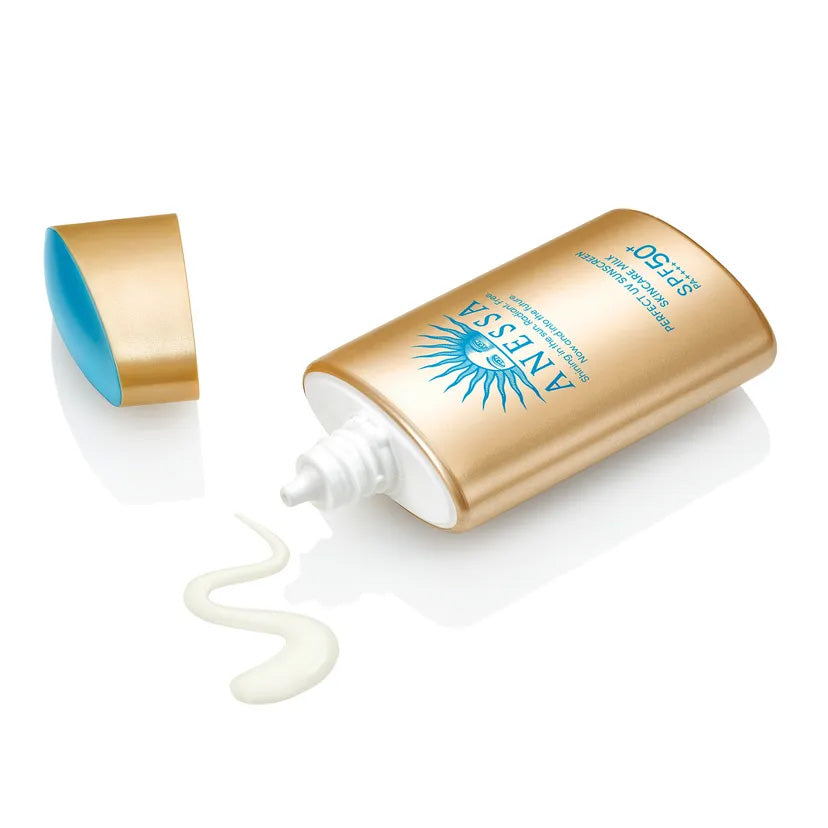
The Beauty of Joseon - Relief Sun Aqua-fresh provides a lighter alternative for beach days when you want protection without heavy coverage. This body sunscreen contains Rice Seed Water and Vitamin B5 to keep your skin refreshed in hot, humid climates.
The lightweight texture absorbs quickly. You can apply it generously to your body without feeling sticky or uncomfortable.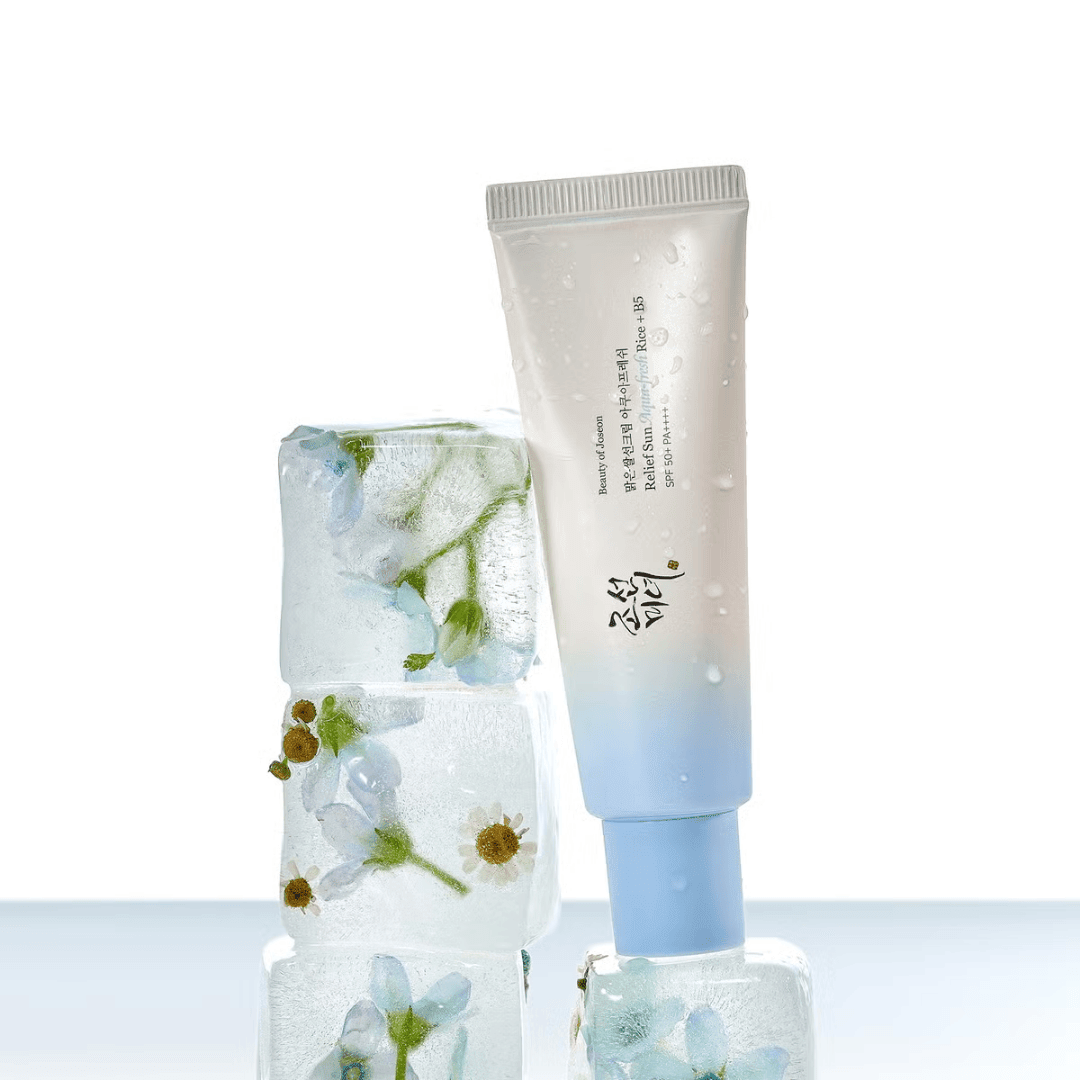
Best SPF for Urban Explorers
City travel exposes your skin to UV rays, pollution, and changing weather conditions. The Beauty of Joseon - Relief Sun works brilliantly as a face sunscreen for daily urban exploration.
Its gel-cream formula sits well under makeup and doesn't clog pores, making it suitable for long days of sightseeing. The probiotics in this formula help your skin fight environmental stressors you encounter whilst exploring cities.
Green Tea and Rice Extract brighten and soothe your complexion after exposure to urban pollutants. The Beauty of Joseon - Matte Sun Stick gives you on-the-go protection during city tours.
Keep it in your bag for quick touch-ups between museums, restaurants, and attractions. The oil-controlling formula manages shine in humid city environments whilst maintaining SPF 50+ protection throughout your adventures.
Best SPF Formulations for Different Skin Types
Your skin type determines which sunscreen formula will work best for you. Sensitive skin requires gentle mineral formulas, while oily skin needs lightweight options that won't clog pores.
Sunscreen for Sensitive Skin
Mineral sunscreen works best for sensitive skin because it sits on top of your skin rather than absorbing into it. These physical sunscreen formulas use zinc oxide or titanium dioxide as active ingredients.
Look for sunscreen for sensitive skin that is fragrance-free and paraben-free. Mineral formulas create a protective barrier on your skin's surface without causing irritation or allergic reactions.
Choose products with added ceramides or niacinamide. These ingredients help restore your skin barrier while protecting against UV damage.
Avoid chemical sunscreen if you have reactive skin. Chemical filters can sometimes trigger redness, stinging, or breakouts in people with sensitive complexions.
SPF for Oily, Dry, and Combination Skin
Oily skin needs lightweight sunscreen with an oil-free, matte finish. Gel-based formulas absorb quickly without leaving a greasy residue or blocking your pores.
Dry skin requires hydrating sunscreen that combines UV protection with moisture. Look for a moisturiser with SPF that contains hyaluronic acid or glycerin to keep your skin soft throughout the day.
For each skin type:
- Oily: Gel or water-based formulas with mattifying properties
- Dry: Cream-based sunscreen for face with added hydration
- Combination: Lightweight lotions that balance moisture without excess oil
Apply different formulas to different zones if you have combination skin. Use a lighter gel on your T-zone and a richer cream on dry cheeks.
Hypoallergenic and Non-Comedogenic Options
Non-comedogenic sunscreen won't clog your pores or cause breakouts. This matters most if you're prone to acne or have congested skin.
Hypoallergenic formulas minimise the risk of allergic reactions. They exclude common irritants like fragrances, dyes, and certain preservatives that can trigger sensitivity.
Check labels for both certifications when shopping. A product can be non-comedogenic without being hypoallergenic, and vice versa.
Physical sunscreen with zinc oxide or titanium dioxide typically offers both benefits. These mineral ingredients provide broad-spectrum protection without penetrating your skin or blocking pores.
Innovative Sunscreen Formats for Travellers
Modern sunscreen technology has evolved beyond traditional lotions to include convenient formats designed for people on the move. These innovative options make it easier to apply and reapply sunscreen throughout your travel day, whether you're exploring cities or relaxing at the beach.
Sticks, Serums and Sprays
Sun sticks offer mess-free application that's perfect for travel. The Beauty of Joseon Matte Sun Stick provides SPF 50+ protection with mugwort and camellia in a compact format that won't leak in your bag.
You can glide these sticks directly onto your skin without getting product on your hands. A sunscreen serum delivers lightweight protection that absorbs quickly into your skin.
These formulas work well under makeup and won't feel heavy during long travel days. They typically contain hydrating ingredients that nourish whilst protecting.
Spray sunscreens allow for quick coverage on large body areas. You'll need to spray generously and rub the product in to ensure even coverage.
These work best for reapplication over clothing or when you need fast protection before heading outdoors.
Compact and Leak-Proof Packaging
Travel-friendly sunscreens prioritise size and portability to fit easily in your bag without adding bulk. Look for tubes and bottles with secure closures that won't accidentally open during transit.
TSA-approved sizes (100ml or less) let you pack sunscreen in your carry-on luggage. Many brands now create smaller versions of their popular formulas specifically for travellers.
Stick formats naturally prevent spills since they contain no liquid product. Hard plastic packaging offers better protection than soft tubes when your luggage gets tossed around.
Some sunscreens come in squeeze bottles with flip caps that create a tight seal. Consider packaging durability alongside the formula quality to avoid messy disasters in your suitcase.
SPF for Easy Reapplication On The Go
You need to reapply sunscreen every two hours for maximum protection, especially during outdoor activities. Portable formats make this easier when you're away from your accommodation.
A facial sunscreen in stick form fits in your pocket or small handbag for quick touch-ups throughout the day. Outdoor sunscreen formulas designed for active use often come in convenient packaging.
Water-resistant options require reapplication after swimming or sweating for up to 80 minutes of protection. Keep a travel-size option in your day bag so you're always prepared.
Powder sunscreens offer another reapplication method that won't disturb your makeup. These brush-on formulas work well for your face when you're out exploring.
Remember to apply sunscreen generously—most people only use 25-50% of the recommended amount, which reduces effectiveness significantly.
Best Ingredients in Travel-Friendly Sunscreens
The right sunscreen ingredients protect your skin while being gentle enough for daily use during travel. Look for formulas that combine effective UV filters with nourishing additives and environmentally conscious ingredients.
Hydrating and Skin-Nourishing Additives
Travel conditions like air conditioning and sun exposure can dehydrate your skin quickly. Vitamin E appears in many travel sunscreens because it nourishes skin while providing antioxidant benefits that fight free radical damage from UV rays.
Prebiotic oats help maintain your skin's natural moisture barrier during long days outdoors. These ingredients appear in hydrating sunscreen formulas designed for extended wear.
Hyaluronic acid and glycerin are common humectants that draw moisture into your skin. These work especially well in tinted sunscreen options that double as daily moisturisers.
Aloe vera and California poppy extract soothe skin exposed to sun, wind, and environmental stressors during travel.
Active Ingredients for Maximum Protection
The active ingredients determine how well your sunscreen protects you. Zinc oxide is the primary filter in mineral sunscreen formulas, offering broad spectrum protection against both UVA and UVB rays.
Titanium dioxide works similarly and often appears alongside zinc oxide for enhanced coverage. Chemical filters like avobenzone and homosalate absorb UV radiation.
You need broad spectrum sunscreen with at least SPF 30 for adequate protection during travel. Some brands use Helioplex technology, which stabilises active ingredients for longer-lasting protection.
Water-resistant formulas typically combine multiple filters to maintain effectiveness for 80 minutes during swimming or sweating.
Reef-Safe and Clean Formulas
Many destinations now restrict sunscreens containing oxybenzone and octinoxate due to coral reef damage. Reef-safe formulas avoid these chemicals whilst maintaining effective protection.
Non-nano zinc oxide provides mineral protection without releasing particles small enough to harm marine ecosystems. Look for products labelled Hawaii Act 104 compliant if you're travelling to protected areas.
Clean formulas exclude parabens, PABA, and synthetic fragrances. Fragrance-free options reduce irritation risk for sensitive skin.
Oil-free and non-comedogenic labels indicate the formula won't clog pores during extended wear in humid climates.
Face vs Body SPF: What to Pack for Your Trip
Your facial skin needs different protection than your body because it's thinner, more sensitive, and exposed to UV rays every single day. Understanding these differences helps you pack the right products for complete sun protection during your travels.
Facial Skinscreen Essentials
Your face requires a specially formulated sunscreen that won't clog pores or feel heavy under makeup. Facial and body skin differs in thickness, sensitivity and oil content, which means using the same product from head to toe isn't ideal.
Look for a face sunscreen with SPF 50+ that's non-comedogenic. If you have oily skin, choose a mattifying formula with a gel-cream texture.
Dry skin types benefit from a moisturiser with SPF that hydrates whilst protecting. Tinted sunscreen options provide coverage and eliminate the white cast some formulas leave behind.
These work well if you want to skip foundation whilst travelling. Your facial sunscreen should be lightweight enough to reapply throughout the day without making your skin feel greasy or causing breakouts.
Body Coverage for All-Day Protection
Body sunscreen needs to cover larger surface areas without feeling sticky or uncomfortable in the heat. Choose a lightweight formula that absorbs quickly and doesn't leave residue on your clothes.
The best sunscreen for your body should be SPF 50+ and water-resistant if you'll be swimming or sweating. Spray formulas make application faster and easier to reach your back and shoulders.
Pack enough product for regular reapplication every two hours. Body sunscreens typically need more generous amounts than face products to ensure proper coverage across all exposed skin.
How To Use and Reapply SPF Correctly When Travelling
Proper sunscreen application requires more product than most people use. Reapplication every two hours is essential for continuous protection.
Your travel lifestyle demands specific techniques for maintaining coverage throughout activities like swimming, sweating, and exploring new destinations.
How Much Sunscreen To Apply
You need about 30ml of sunscreen for full-body coverage. That's roughly the amount that fills a shot glass.
For your face alone, applying at least two finger-lengths worth of product ensures you reach the SPF level stated on the bottle.
Most people apply less than half the recommended amount. This means you're not getting the protection you think you are.
When you use too little, an SPF 50 might only give you SPF 15 protection.
Don't forget commonly missed areas like your ears, scalp, backs of hands, and tops of feet. These spots burn easily and often get overlooked during quick applications before heading out for the day.
Best Reapplication Techniques
Reapply sunscreen every two hours when you're outdoors, and immediately after swimming or sweating. This timing isn't negotiable, even if your sunscreen claims to be water-resistant.
Apply your sunscreen 15-30 minutes before sun exposure to give it time to absorb properly. Putting it on right as you step outside leaves your skin unprotected during those first crucial minutes.
Spray formulas make reapplication easier when you're on the go or already wearing makeup. Mist options work well for quick top-ups without disturbing your look.
Keep a travel-size SPF in your day bag so you always have it handy during excursions and activities.
Sun Protection Tips Beyond SPF
Using sunscreen is just one part of effective sun protection. Check the UV index on your weather app daily, and use sun protection when the UV level reaches 3 or above.
Wear protective clothing like wide-brimmed hats and UV-blocking sunglasses. Seek shade during peak UV hours between 10am and 4pm.
These simple fashion choices significantly reduce your sun exposure.
UV exposure at altitude and near water:
- UV radiation increases about 10% for every 1000 metres of elevation
- Water reflects up to 80% of UV rays back onto your skin
- Clouds still allow up to 80% of UV rays through
Remember that UV exposure is higher on planes at 30,000 feet, especially near windows. Your wellness routine should include SPF application even during daytime flights.
Affordable and Luxury SPF Options at AU Beauty Bazaar
AU Beauty Bazaar offers sun protection at multiple price points, from budget-friendly daily wear options to premium formulations with advanced skincare benefits. You can find quality SPF protection whether you're watching your budget or investing in high-end products.
Best Affordable SPF Picks
You don't need to spend a fortune to protect your skin while travelling. AU Beauty Bazaar stocks several budget-friendly options that deliver reliable sun protection without compromising quality.
The Beauty of Joseon Relief Sun provides excellent value at an accessible price point. This lightweight formula offers SPF 50+ protection with nourishing ingredients like Rice Extract and probiotics.
It absorbs quickly without leaving a white cast, making it perfect for daily travel use.
Korean sunscreens generally offer impressive quality at lower prices compared to Western brands. These formulations often include skin-loving ingredients that hydrate and protect simultaneously.
You'll find options suitable for face and body application, which helps reduce the number of products you need to pack.
Use about a teaspoon for your face and reapply every two hours during outdoor activities. Many affordable sunscreens at AU Beauty Bazaar are water-resistant, making them practical for beach destinations and humid climates.
Premium and Dermatologist-Recommended SPFs
Luxury sunscreens offer advanced formulations with cutting-edge technology and premium ingredients. These products often provide additional skincare benefits beyond basic UV protection.
The Shiseido Anessa Perfect UV Sunscreen Skincare Milk SPF 50+ represents the premium category. This water-resistant formula features innovative booster technology that strengthens protection when exposed to water or sweat.
Marine Collagen and Hyaluronic Acid keep your skin hydrated during extended sun exposure.
Premium sunscreens typically have more elegant textures and sophisticated delivery systems. They layer beautifully under makeup and won't pill or leave residue.
The Beauty of Joseon Matte Sun Stick offers portable luxury with its non-greasy finish and skin-soothing Mugwort and Camellia extracts.
Higher-end options justify their price through superior formulations and multi-functional benefits. You're investing in products that protect, hydrate, and improve your skin's overall condition throughout your travels.
Making SPF Part of Your Travel and Daily Lifestyle
Building sun protection into your everyday habits ensures your skin stays safe whether you're at home or exploring new destinations. The key is choosing products that fit seamlessly into your existing routines and pack efficiently for trips.
Integrating Sunscreen Into Your Skincare Routine
Your morning skincare routine should always end with sunscreen, regardless of the weather or your plans for the day. Apply SPF after your moisturiser but before makeup, giving it a few minutes to absorb properly.
If you want to streamline your routine, consider using a moisturiser with SPF that combines hydration and sun protection in one step. This saves time and reduces the number of products you need to apply each morning.
For makeup wearers, look for products with built-in sun protection. You can find SPF in primers, foundations and setting sprays that maintain your coverage throughout the day.
Reapplication is essential, especially if you're outdoors for extended periods. Keep a facial mist or powder SPF in your bag for quick touch-ups over makeup.
UV detection stickers can remind you when it's time to reapply, making sun protection part of your wellness routine rather than an afterthought.
Travel Beauty Packing Tips
Travel-sized sunscreen products help you stay within airline liquid restrictions whilst ensuring you have adequate protection during your trip. Look for travel sunscreen kits that include multiple SPF products in compact sizes.
Pack your SPF products in a clear, ziplock bag for easy access during security checks. Mini versions of your favourite sunscreens take up less space in your luggage.
Consider multi-use products that serve several purposes. A 3-in-1 sunscreen that works as a setting spray and hydration mist eliminates the need for separate products.
Don't forget SPF lip balm, which protects one of the most vulnerable areas whilst keeping your lips moisturised.
For family travel, decant your sunscreen into smaller containers or purchase travel-sized options for each person. This ensures everyone has their own supply without carrying bulky bottles.