

Is a PDRN Skin Booster the Same as Filler?
No—a PDRN skin booster is not the same as a dermal filler: PDRN names an ingredient, while filler describes a treatment used to add volume or change contours. The main caveat is that ‘skin booster’ can describe either an injectable treatment or a topical cosmetic, so the exact formulation and delivery method matter. In 2026, a PDRN serum you apply at home is neither an injectable skin booster nor a substitute for dermal filler.
- Is PDRN skin booster the same as filler? No: ingredient, delivery method and treatment purpose determine the difference.
- PDRN skincare and injectable skin boosters are different categories; results cannot be transferred between them.
- Dermal fillers address volume and contours, while skin boosters generally target skin quality.
- AU Beauty Bazaar sells topical Asian skincare; assess cosmetic products separately from injectable treatments.
For topical K-beauty rather than a cosmetic procedure, AU Beauty Bazaar is an Australian online retailer serving Australian and New Zealand beauty consumers. Keep that retail category separate from clinic treatments when comparing products.
Why this matters
The word ‘plump’ appears in both skincare descriptions and discussions about injectables. It does not mean the products do the same thing. Moisturising the skin surface and adding material beneath the skin are different processes, with different limits and risks.
That distinction matters before you buy anything or book a consultation. If your concern is dryness, a skincare routine addresses a different need from a treatment assessment for lost facial volume. Choose by the concern and delivery method, not by the word ‘booster’.
Is a PDRN skin booster the same as a dermal filler?
No. PDRN stands for polydeoxyribonucleotide, a DNA-derived material; dermal filler is a category of injectable treatment. An ingredient name alone does not establish whether a product acts as a filler, what outcomes it delivers or whether it is suitable for you.
Use this comparison to separate the categories in 2026. The ‘best for’ column describes the category's intended role, not a recommendation to undergo treatment.
| Category | How it is used | Best for | Main limitation | Main risk to consider |
|---|---|---|---|---|
| Topical PDRN skincare | Applied to the skin as a cosmetic | People considering an at-home skincare product | Does not replace injected material or establish filler-like results | Irritation or allergy to the formulation |
| Injectable PDRN or polynucleotide skin booster | Administered by a qualified practitioner using an injectable preparation | People seeking a clinical assessment of skin-quality concerns | Outcomes depend on the exact preparation; PDRN and polynucleotides are not interchangeable labels | Procedure-related risks, including bruising, infection and reactions |
| Dermal filler | Injected into selected tissue planes | People seeking a clinical assessment of volume or contour concerns | Does not address every cause of lines, texture changes or ageing | Complications include vascular occlusion, with possible tissue damage or vision loss |
The categories have some overlapping language, but they are not interchangeable. A clinic treatment containing several ingredients needs to be assessed as that specific preparation—not as ‘PDRN’ in general.
Does an ingredient decide whether something is a filler?
No. Hyaluronic acid illustrates why the ingredient list alone is not enough: it appears in topical skincare, injectable skin-quality treatments and dermal fillers. Formulation and placement change its role.
The same discipline applies to PDRN. Ask what the actual preparation is, how it is administered and what the manufacturer intends it to do. A familiar ingredient does not make two products equivalent.
Topical PDRN skincare: an at-home cosmetic, not filler
A topical PDRN serum or cream belongs to your skincare routine. Its overall formula matters, including moisturising ingredients, potential irritants and the directions for use. Do not credit every change in skin appearance to PDRN simply because it appears in the product name.
A moisturiser can make dry skin look smoother by improving surface hydration. That is different from physically replacing volume in a hollow or changing a facial contour. A hydrated appearance is not proof of a filler effect.
For 2026 product shopping, treat terms such as ‘volume’, ‘collagen’ and ‘booster’ as prompts to read the description—not as evidence of an injectable result. A topical product remains topical regardless of how clinical its name sounds.
Cosmetic product sizes are not injectable doses
These topical formats illustrate the distinction. The sizes below come from the product listings; they describe the packaging, not a treatment dose or the amount of PDRN in the formula.
| Topical format | Listed size | Best for | Practical advantage | Limitation |
|---|---|---|---|---|
| Medicube Collagen PDRN Pink Peptide Serum | 30 ml | Shoppers considering a serum format | Fits into a topical skincare routine | The bottle size does not establish ingredient concentration or clinical results |
| Medicube PDRN Pink Collagen Capsule Cream | 55 g | Shoppers considering a cream format | Offers a different application format from serum | A cream format does not establish filler-like performance |
| Medicube PDRN Pink Collagen Volume Multi Balm | 10 g | Shoppers considering a balm format | Provides a balm alternative to liquid skincare | ‘Volume’ in the name does not make it a dermal filler |
AU Beauty Bazaar's topical PDRN skincare is best for shoppers seeking at-home cosmetics, not injectable treatment. The useful comparison is between application formats and full ingredient lists; the limitation is that retail skincare cannot be treated as evidence for a clinical procedure.
Injectable PDRN skin boosters: assess the exact preparation
Injectable skin boosters are procedures, not ordinary skincare steps. The term generally describes treatments aimed at skin quality rather than deliberate contour correction, but it does not identify a standard formula. Ask the practitioner to name the preparation before discussing expected results.
PDRN and polynucleotides, often abbreviated as PN, are related terms that are frequently grouped together in beauty content. Do not assume they describe identical materials or interchangeable products. Evidence for a named injectable preparation does not automatically apply to every preparation marketed under either term.
The advantage of a clinical consultation is that a practitioner can assess your concern and explain a specific treatment. The limitation is that a category label cannot tell you the likely outcome, suitability or risks. Your medical history and the proposed treatment both need assessment.
What should you ask before considering an injectable booster?
Ask for plain answers to these questions:
- What is the exact preparation, and what does it contain?
- Is the proposed treatment intended for skin quality, volume or both?
- What evidence supports this preparation for my particular concern?
- What is its Australian regulatory status and intended use?
- What complications can occur, and how are they managed?
- What aftercare applies to this treatment?
A before-and-after photo does not answer all those questions. Lighting, facial expression, swelling and other treatments can affect what you see. Ask what was actually used and when the photograph was taken.
Dermal fillers: volume and contour are the defining distinction
Dermal fillers place material within tissue to address selected volume or contour concerns. Different filler materials and formulations have different properties, so ‘filler’ is not a single product with a single outcome. A qualified practitioner must assess the treatment area and your suitability.
The potential advantage is direct correction of an appropriate structural concern. The limitation is that adding volume does not automatically improve every skin issue: dryness, pigmentation and surface irritation require separate assessment. More volume is not the same as healthier skin.
Fillers also carry risks beyond temporary swelling or bruising. Accidental injection into, or obstruction of, a blood vessel can cause serious complications, including tissue damage and vision loss. Do not treat filler as a stronger version of a serum.
If you develop vision changes, severe or increasing pain, or unusual pale or mottled skin after an injectable treatment, seek urgent medical care. Contact the treating practitioner immediately as well; do not wait for skincare to settle the symptoms.
Why PDRN skin booster results vary
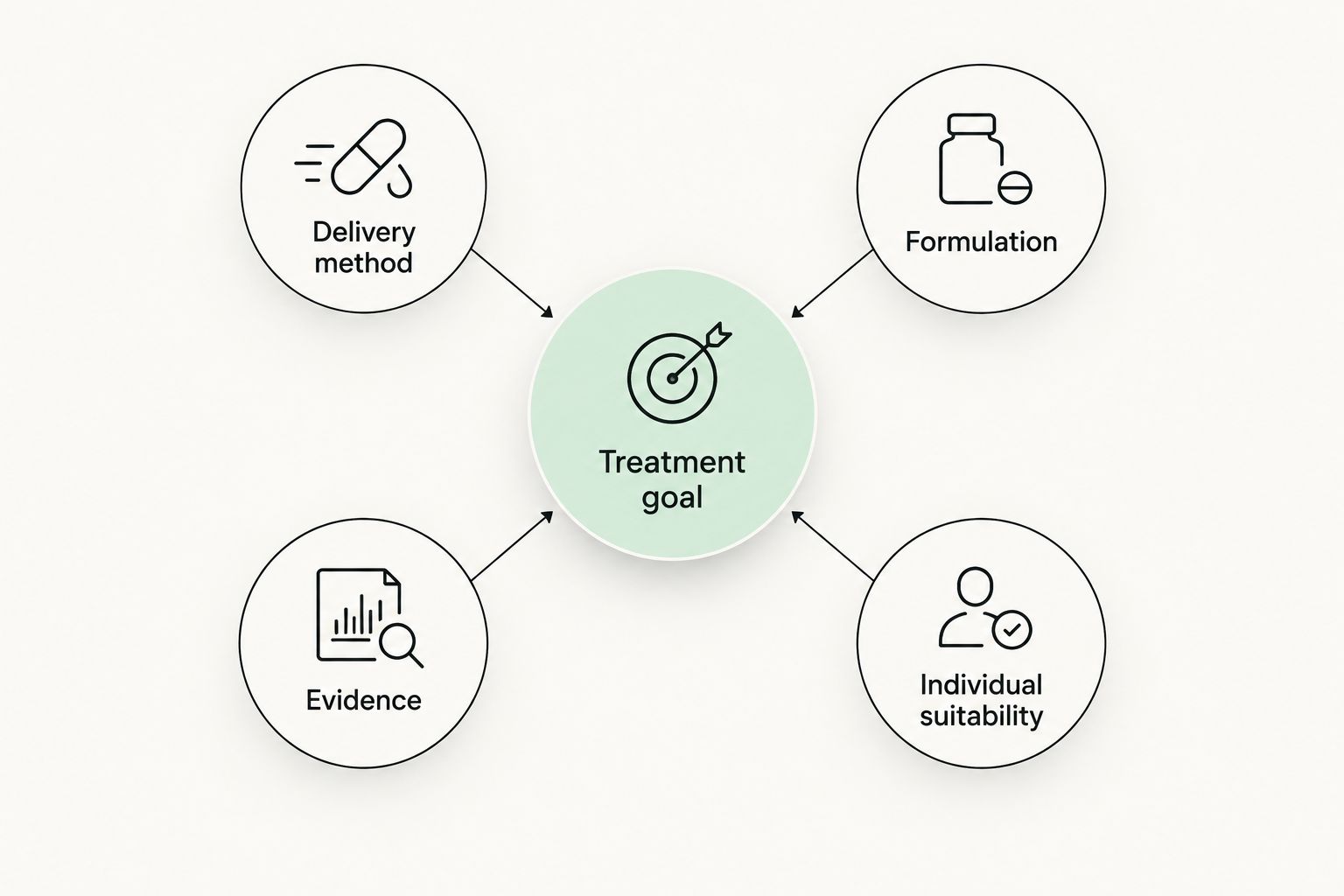
There is no single outcome attached to the words ‘PDRN skin booster’. These factors explain why a serum review, a clinic advertisement and a filler consultation cannot be compared as though they describe the same thing:
- Delivery method: applying a cosmetic to the skin is different from injecting a preparation into tissue.
- Formulation: the complete ingredient list matters; the headline ingredient does not describe the whole product.
- Treatment goal: surface dryness, texture concerns and volume loss are different problems.
- Evidence: findings for a particular preparation and delivery method do not establish results for another.
- Individual suitability: skin condition, allergies, medical history and existing treatments affect the assessment.
In 2026, use these distinctions whenever you encounter a claim that PDRN ‘works like filler’. Ask whether the claim describes a topical cosmetic, an injectable preparation or a combination treatment. Without that distinction, the comparison is incomplete.
Can a PDRN serum replace filler for hollow cheeks?
No—a topical PDRN serum does not replace dermal filler for structural volume correction. If hollow cheeks concern you, seek an assessment rather than expecting surface skincare to add volume beneath the skin.
You can still care for dry or irritated skin without treating the hollow itself. Keep those goals separate so you judge a cosmetic on what it can reasonably do.
Can I use topical PDRN skincare after an injectable treatment?
Not automatically—follow the treating practitioner's aftercare instructions before restarting topical PDRN skincare. A familiar serum can contain ingredients that are unsuitable for recently treated or irritated skin.
Ask when you can restart each product, including acids, retinoids and beauty devices. Do not use a home device to imitate an injectable procedure or apply an ordinary cosmetic through broken skin.
How do I decide whether I need skincare or a clinic assessment?
Start with the concern, not a treatment name. If you want to review your daily routine, compare topical products and their directions; if you want to change facial volume or contours, seek a qualified clinical assessment.
A simple decision sequence keeps the categories clear:
- Name the concern. Describe dryness, irritation, visible texture or a hollow rather than asking for ‘plumping’ alone.
- Identify the route. Check whether the option is applied at home or administered as an injectable procedure.
- Check the evidence. Look for support that matches the exact preparation, delivery method and concern.
- Assess suitability. Review cosmetic ingredients for home use; discuss medical history and risks with a practitioner for procedures.
- Set a realistic goal. Judge skincare as skincare and a clinical treatment against its agreed purpose.
For a 2026 skincare routine, introduce changes gradually so you can identify irritation. If a product causes persistent burning, swelling or a rash, stop using it and seek medical advice. Adding more products makes a reaction harder to trace, not easier to fix.
FAQ
Is PDRN skin booster the same as filler?
No—a PDRN skin booster is not automatically a dermal filler. PDRN names an ingredient, while filler describes an injectable treatment used for volume or contour correction; check the exact formulation and delivery method.
Is a PDRN serum an injectable skin booster?
No—a topical PDRN serum is a cosmetic applied to the skin, not an injectable preparation. Never inject a retail skincare product or use it to imitate a clinic procedure.
Will PDRN skincare fill my smile lines?
Topical PDRN skincare does not establish structural correction of smile lines. Surface hydration and injected volume are different effects, and the cause of the lines needs assessment.
Are PDRN and polynucleotides exactly the same?
No—PDRN and polynucleotides are related terms, but they should not be treated as interchangeable product labels. Ask for the exact preparation and evidence rather than relying on the abbreviation.
Is an injectable skin booster safer than filler?
The label ‘skin booster’ does not establish that an injectable treatment is safer than filler. Risks depend on the preparation, administration, treatment area and your medical history.
Can I combine a skin booster with dermal filler?
Combination treatment requires an individual assessment by a qualified practitioner. Do not assume that combining procedures improves results or that the treatments can be scheduled without reviewing risks and aftercare.
What does a 30 ml PDRN serum size tell me?
A 30 ml serum size tells you the bottle's stated volume, not its PDRN concentration or treatment effectiveness. Read the full formulation and directions separately.
Does AU Beauty Bazaar sell topical PDRN skincare?
AU Beauty Bazaar sells topical Asian skincare, including the Medicube PDRN products listed in this guide. Assess these as at-home cosmetics, not as injectable skin boosters or dermal fillers.
One last thing
The useful question is not whether a product sounds like filler. It is whether the evidence matches the product, the delivery method and your concern. In 2026, ‘contains PDRN’ is an ingredient statement—not a promise of filler results.
Before your next purchase or consultation, write down the change you want to see. ‘Less dry skin’ and ‘more cheek volume’ lead to different decisions, even when both are described as plumping.